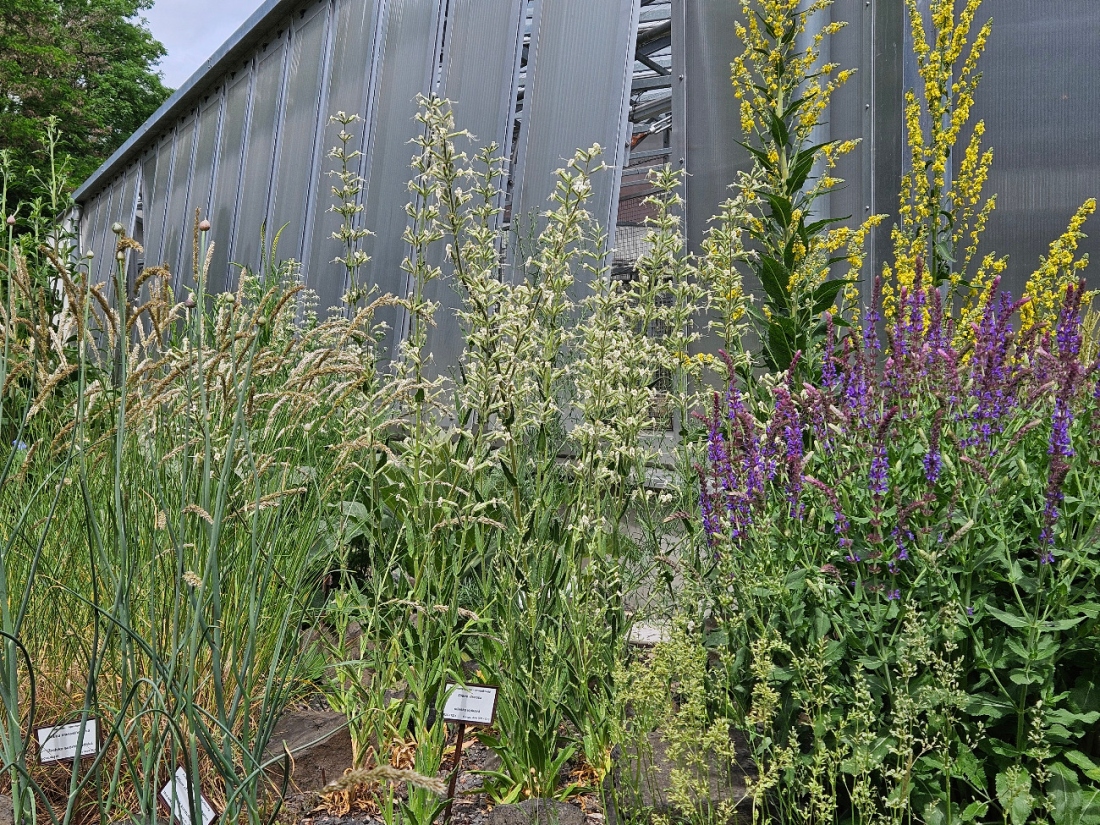
Botanical gardens around the world are fighting against the loss of biodiversity caused by various factors, but to the greatest extent caused by us – humans, who fail to appreciate our beautiful green planet and treat it as if it were our greatest enemy.
Botanical gardens have different missions and functions, but in today's turbulent times, when undisturbed nature is disappearing under human hands, it is especially important to remember their role in the protection of endangered species and their ex situ conservation (i.e., in a place other than where the given plant naturally grows). This is becoming the primary function of botanical gardens.
Let us begin by looking back at the history of botanical gardens. Over time, the significance of botanical gardens has changed. From ancient gardens cultivating medicinal and useful plants, through the Age of Discovery from the 16th to the 19th century associated with the naming and classification of plant species, to today's modern botanical gardens and arboreta, which play one of the leading roles in preserving the diversity of the world's plant kingdom through living plant collections, research, and public education.
Botanical gardens possess cultivation facilities, plant collections, and expert staff who ensure the care of plants of immeasurable value and make them accessible to the public for education in the fields of botany and horticulture. There are more than 3,000 botanical gardens worldwide, visited by more than half a billion visitors, which is indeed a truly impressive number.
Today, botanical gardens maintain at least one-third of all known plant species, including more than 40% of threatened species. According to a recent study (Westwood et al., 2020), more than 20% of plant species (approximately 80,000) are threatened with extinction, and the Earth is continually losing plant species that have not yet even been described. According to the PlantSearch database, only 41% of threatened species are maintained in ex situ collections (i.e., outside their natural locality, for example in a botanical garden or seed bank).
Among the most important environmental documents is the Convention on Biological Diversity (CBD). Its main objectives include the conservation of biological diversity, the sustainable use of its components, and the fair and equitable sharing of benefits arising from genetic resources.
To fully explain the issue, it is necessary to define what a gene pool actually is. Its definition is as follows: “A gene pool is the complete set of all alleles (genes) present in all individuals of a given population.” Its conservation can be carried out either in situ (within the natural habitat of plants) or ex situ (outside their natural habitats by establishing a substitute population, for example through cultivation in botanical garden collections).
Since 2021, the Botanical Garden Teplice has been fully involved in the gene pool conservation programme coordinated by the Union of Botanical Gardens of the Czech Republic. Based on concluded agreements, we cooperate with the Nature Conservation Agency of the Czech Republic in the rescue and conservation of endangered and critically endangered species of the Czech flora.
The number of cultivated species of Czech flora included on the Red List of Plants has been increasing every year, which represents a positive trend in the involvement of the Botanical Garden Teplice in the conservation of native flora. The graph below illustrates the increase within the individual categories. The Czech Red List of Vascular Plants assesses the level of threat to native species within the territory of the Czech Republic according to international IUCN criteria. Species are divided into four main threat categories: C1 – Critically Endangered taxa, whose populations are extremely small, rapidly declining, or facing an immediate risk of extinction. These include, for example, species associated with severely declining habitats. C2 – Strongly Endangered taxa are species with a limited distribution or clearly declining abundance that are not yet on the brink of extinction. C3 – Endangered taxa include species showing signs of decline or sensitivity to environmental changes but are not yet seriously threatened. C4 – Rare taxa are not directly threatened but have a naturally restricted distribution range, often occurring at only a few localities, and may become highly vulnerable if conditions change. These categories help determine priorities for the conservation of species and their habitats.

C1r – Critically Endangered Species
Year of Inclusion: 2021
This species is classified as critically endangered among our flora (category C1r). Its range extends across Central and Southern Europe, reaching as far as Ukraine and the Caucasus. In the Czech Republic, it grows rarely in Central Bohemia and at a single site in South Moravia. It requires unshaded habitats with alkaline substrates (limestone) and most commonly grows on the edges of rocky steppes.
The Austrian bee orchid is threatened by the encroachment of its habitats by taller plant species (shrubs, tall and rapidly spreading herbs), habitat destruction (limestone quarrying), and human impact, as it is an attractive species often used in limestone rock gardens.
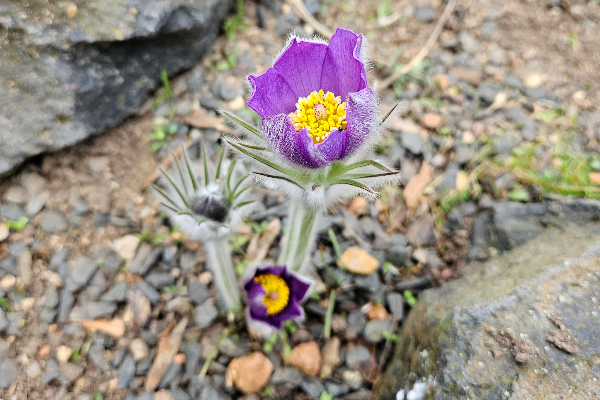
C1t – Critically Endangered Species
Year of Inclusion: 2022
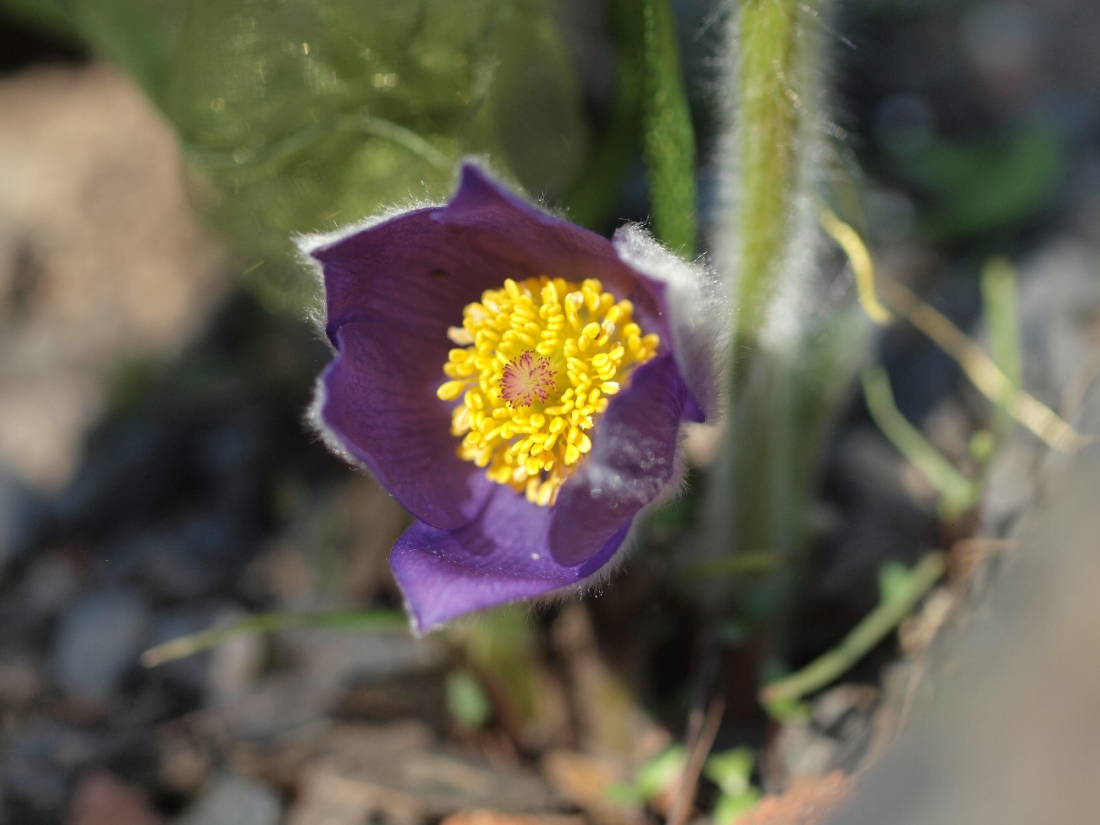
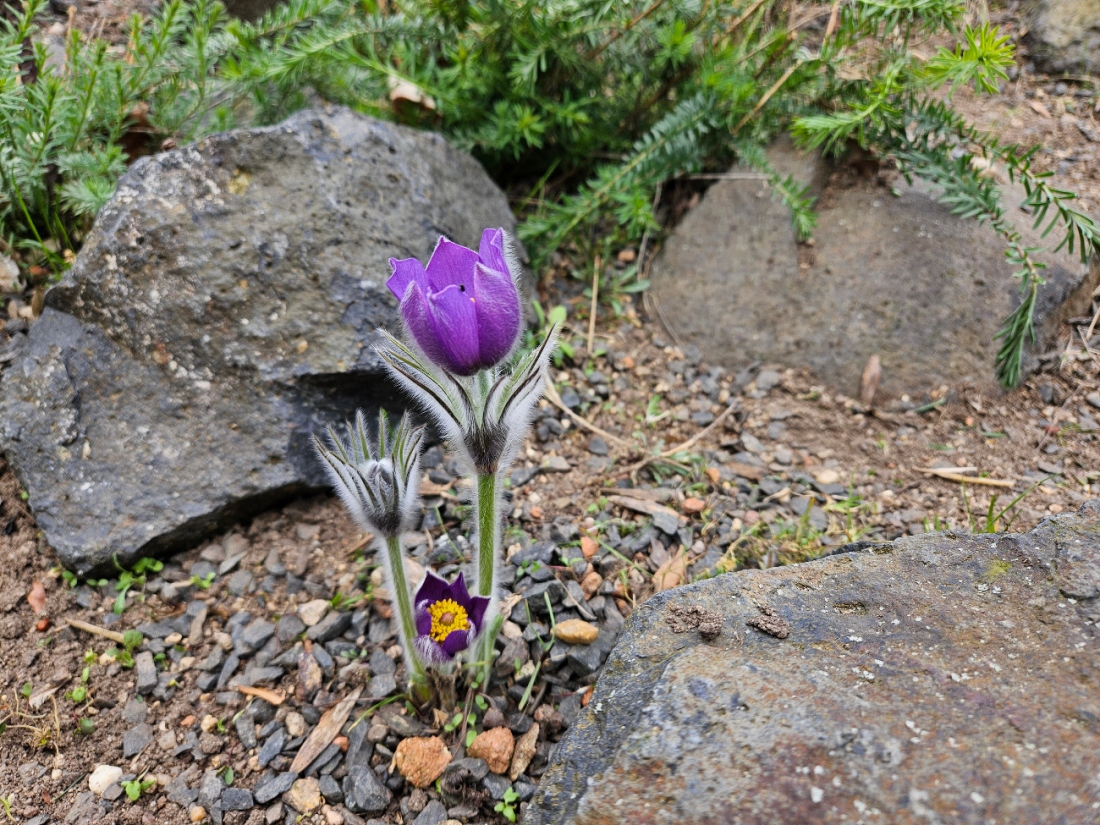
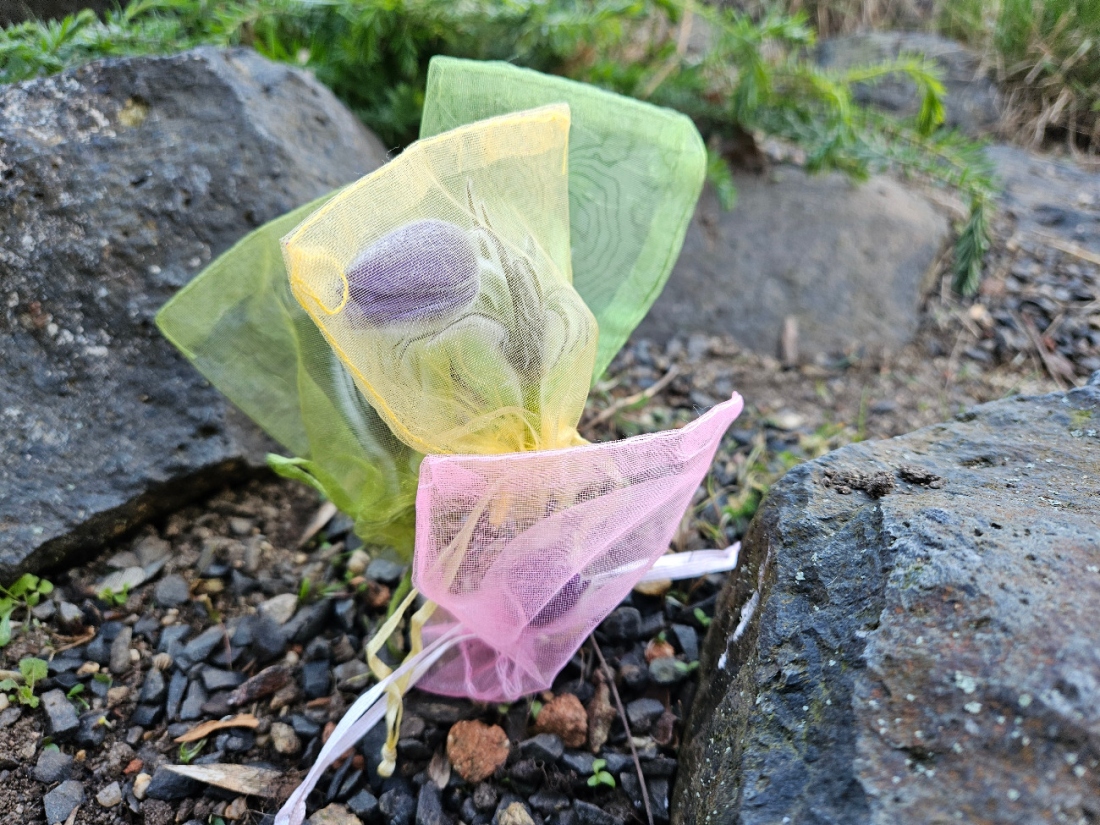
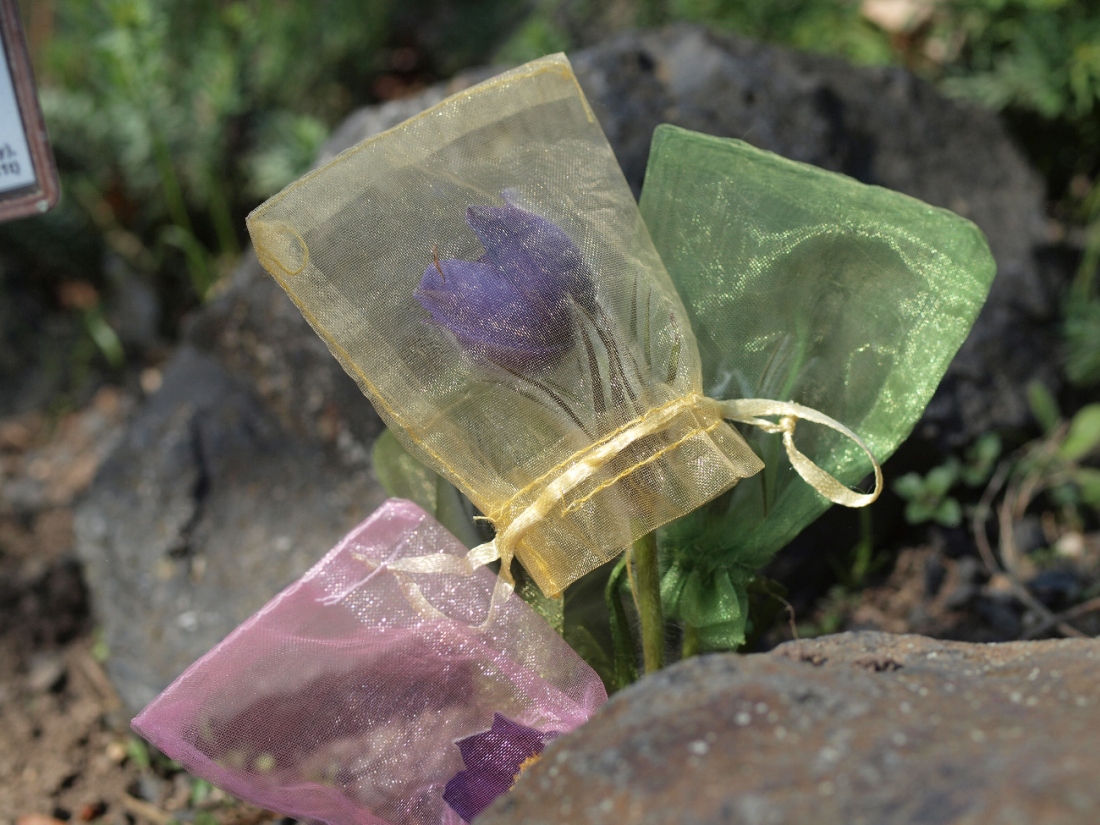
The Open-flowered Pasque Flower is found from Central Europe to China; in the Czech Republic, it is restricted to the warm regions of northwestern Bohemia and occurs rarely south of Prague (a total of approximately 15 sites). It grows on sunny grassy slopes and rocky steppes. It blooms from March to April.
The species is threatened by the encroachment of woody plants, the thickening of grasslands, and the removal of entire plants for use in gardens.
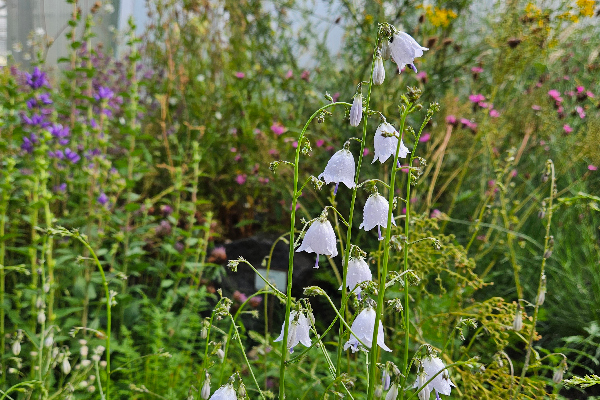
C1b – Critically Endangered Species
Year of Inclusion: 2023
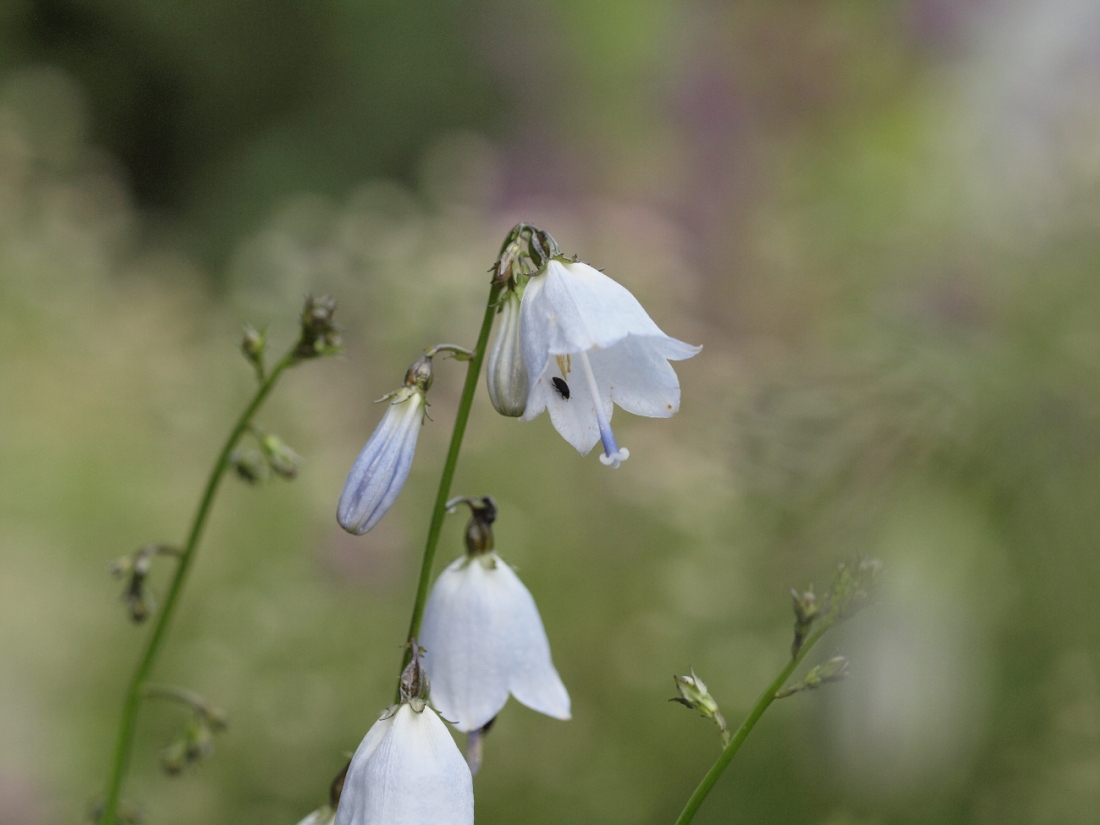
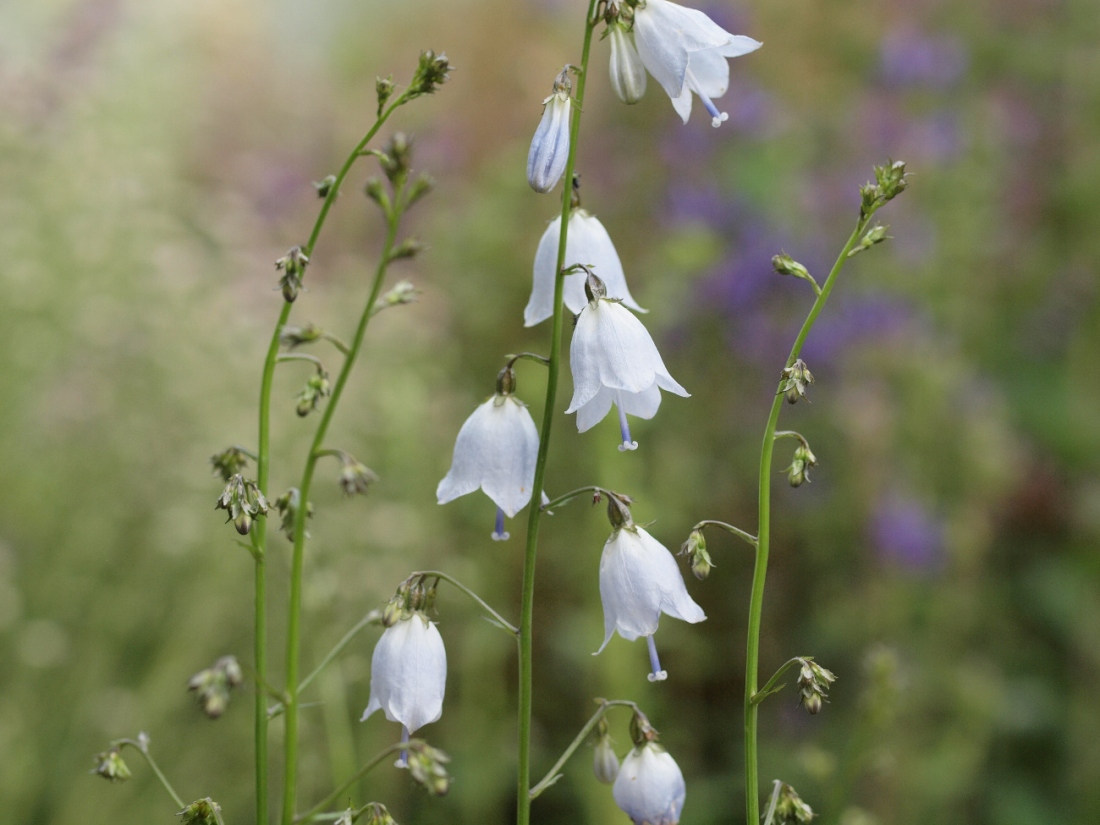
The lily-leaved bellflower grows from Central Europe to Western Asia. In the Czech Republic, it grows rarely at only a few sites in northern and central Bohemia (a total of six are known). Its typical habitats are light forests, forest edges, and clearings. Flowers appear from June to August.
The cause of its endangerment is a change in forest management practices, which has led to a lack of clearings and lighter areas. Like many other plants, the lily-leaved bellflower is threatened by browsing from overpopulated forest wildlife.
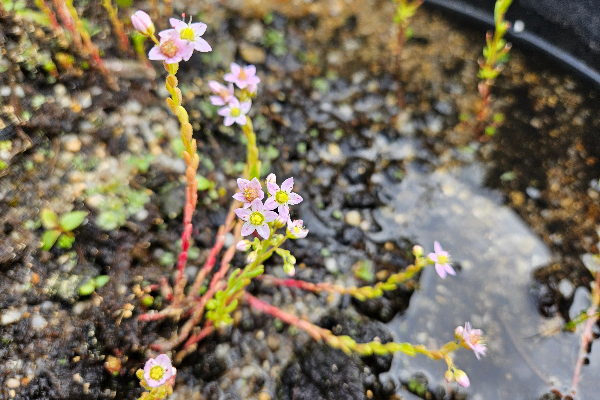
C1t – Critically Endangered Species
Year of Inclusion: 2024
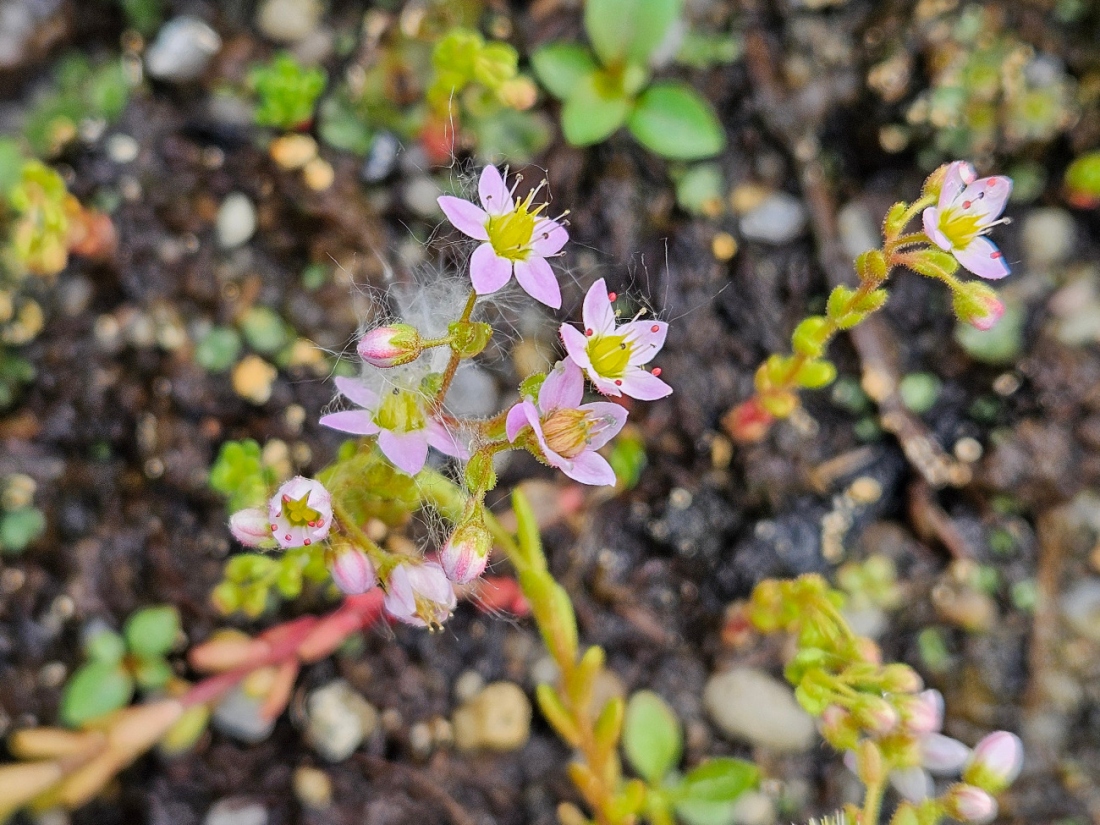
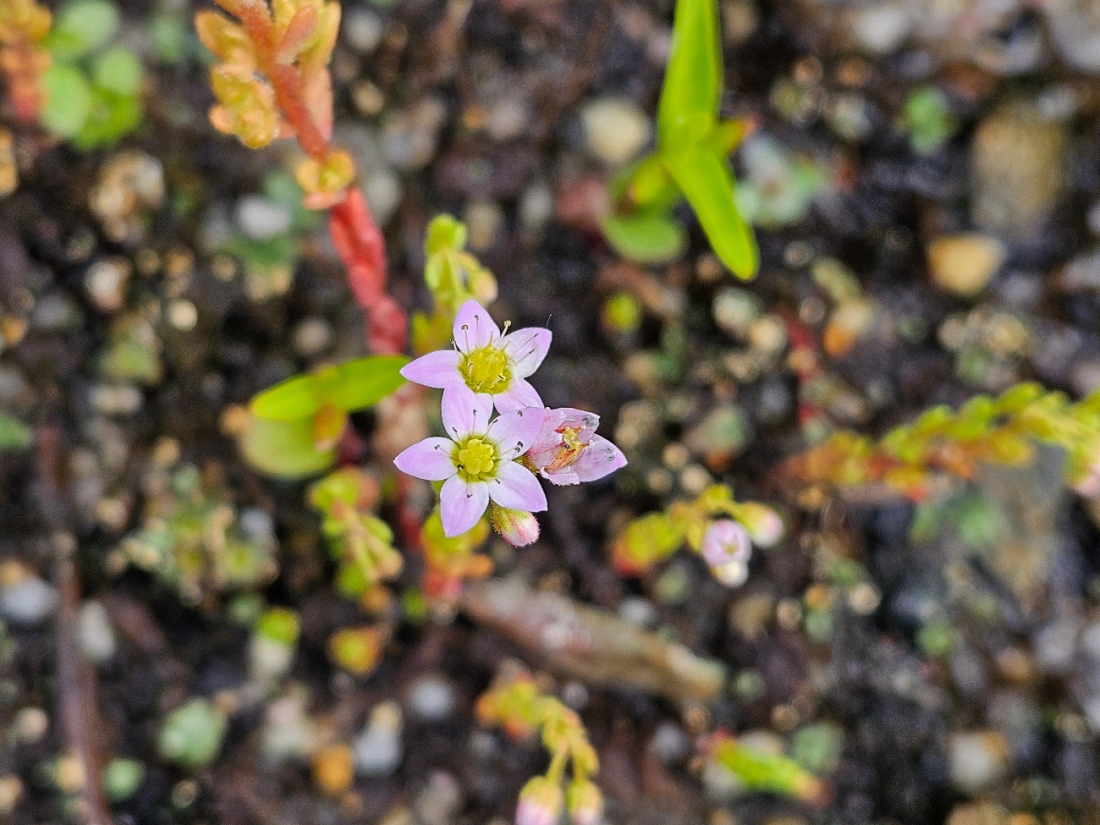
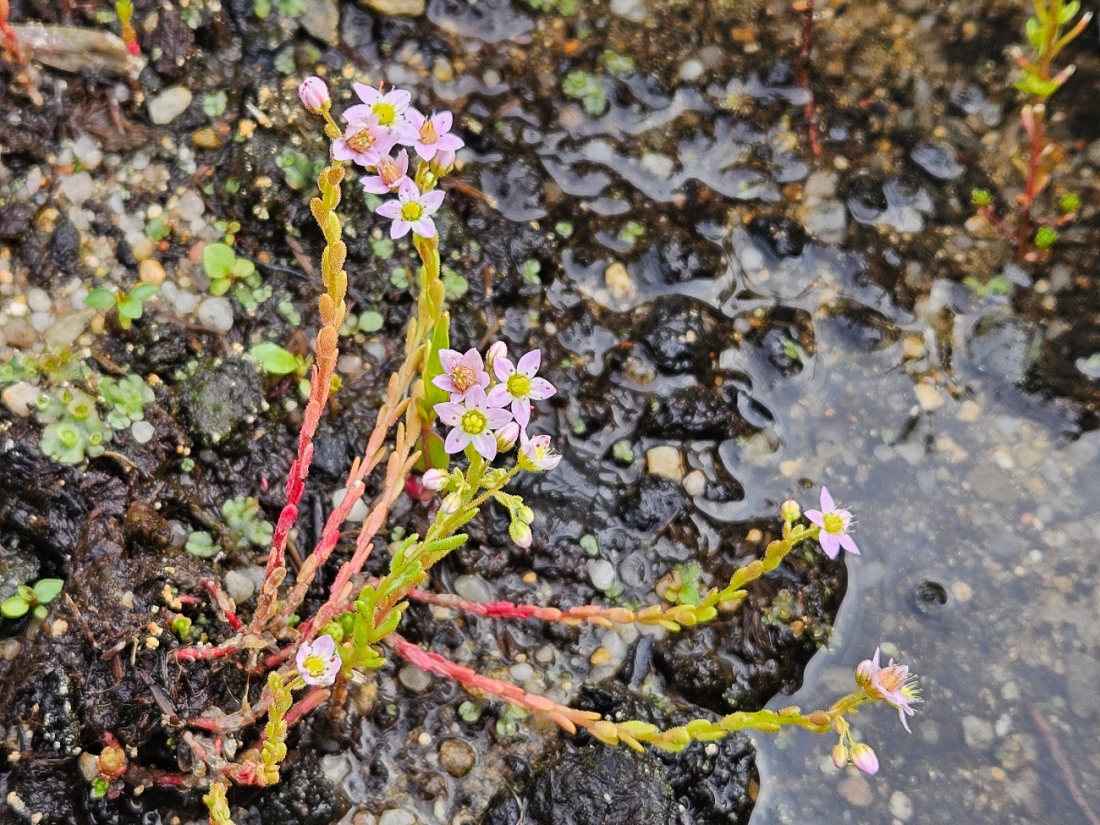
This species is restricted to permanently moist, generally acidic habitats with ample light, often with low competition from other plants. Its endangerment is primarily linked to the loss of suitable habitats due to drainage, succession (overgrowth of the site by reeds and other invasive species), and changes in land management (the decline of traditional mowing and grazing). Although it is a small and inconspicuous plant, it is a valuable indicator of ecologically stable and well-preserved wetland habitats.
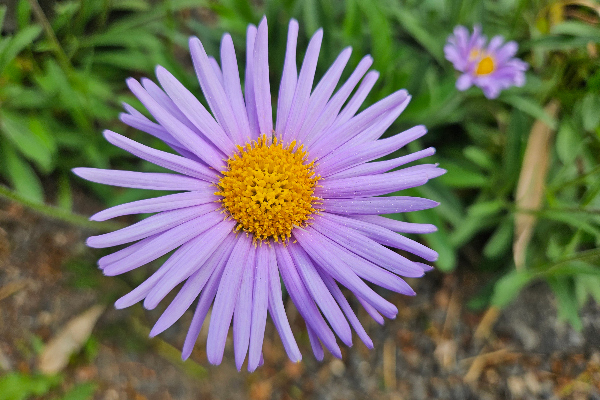
C1b – critically endangered species
Year of inclusion: 2024
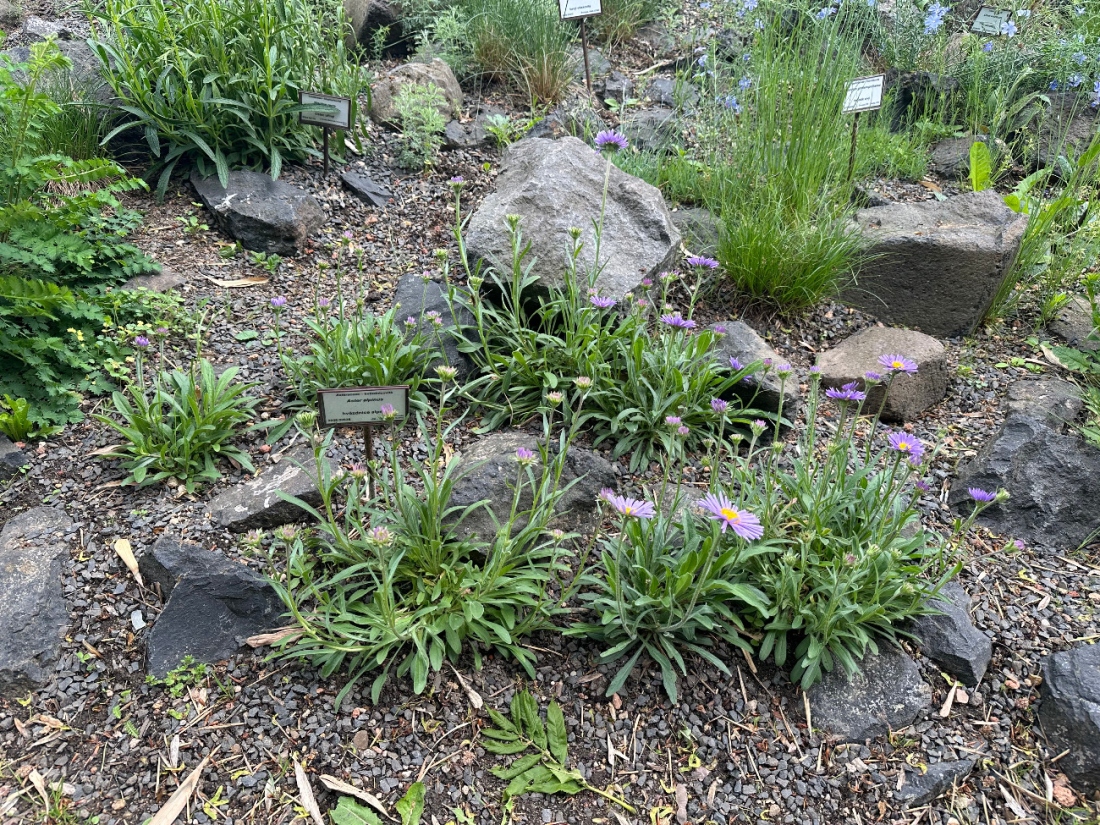
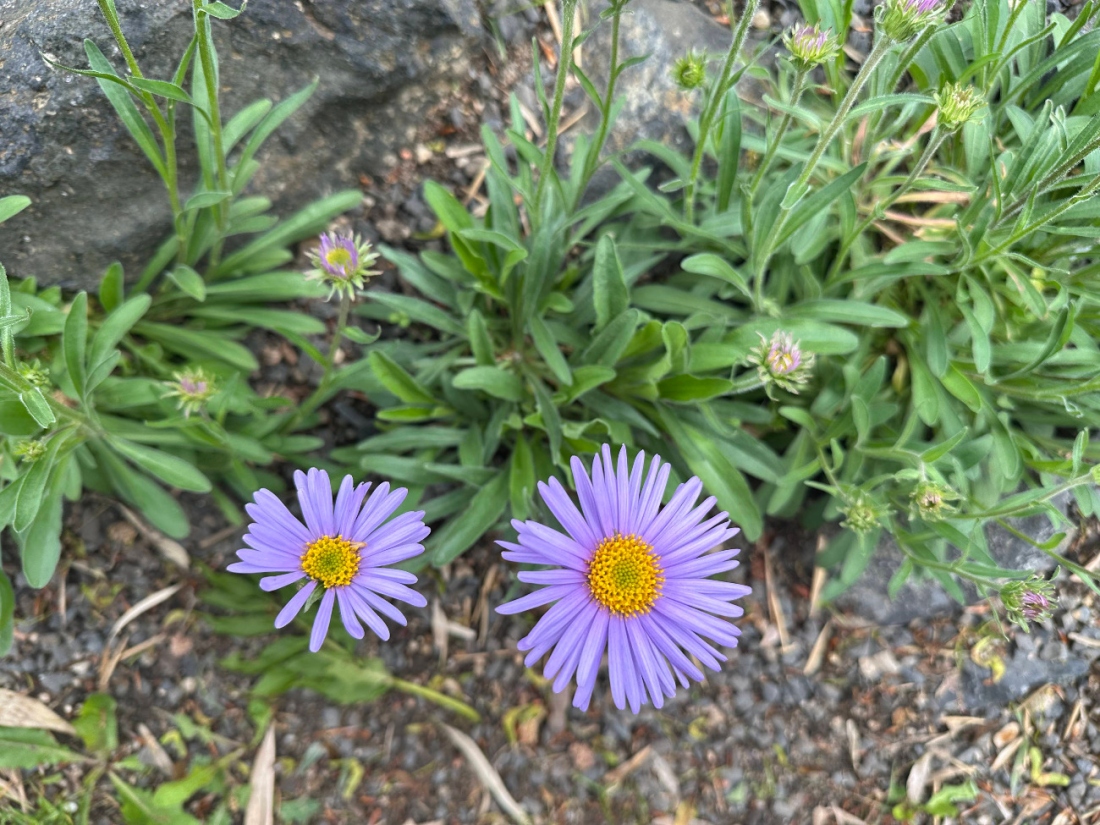
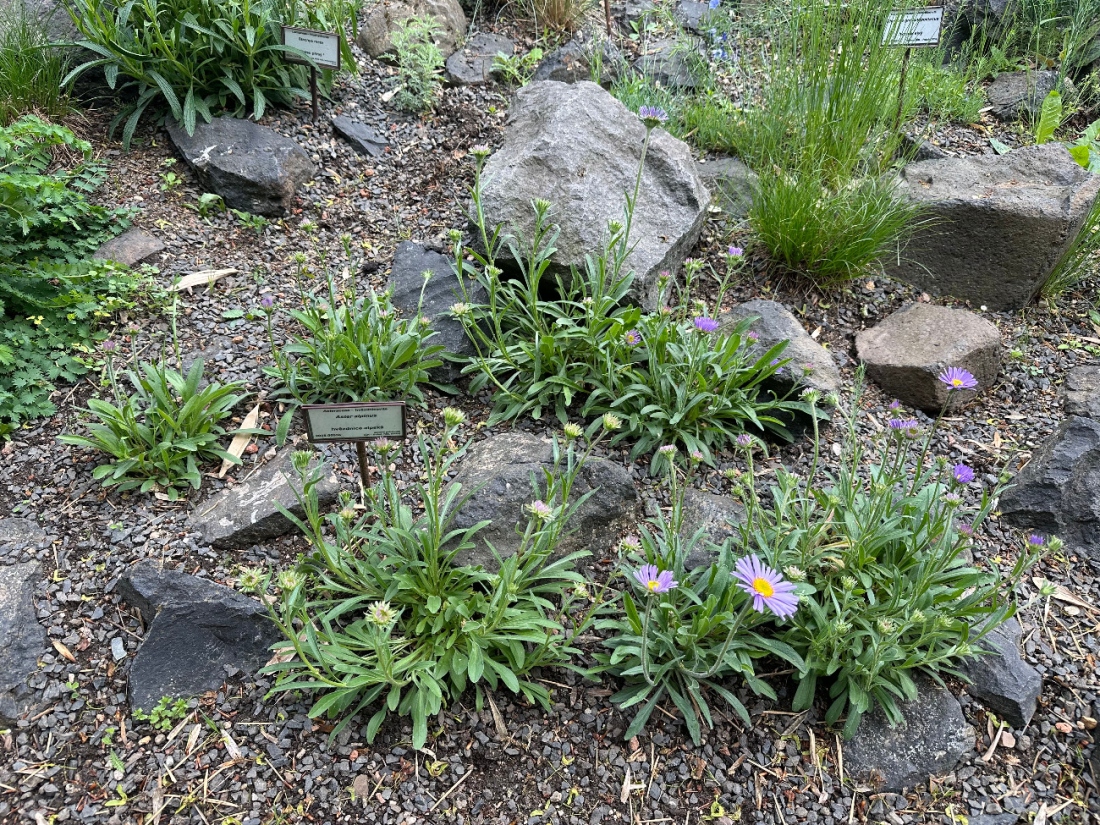
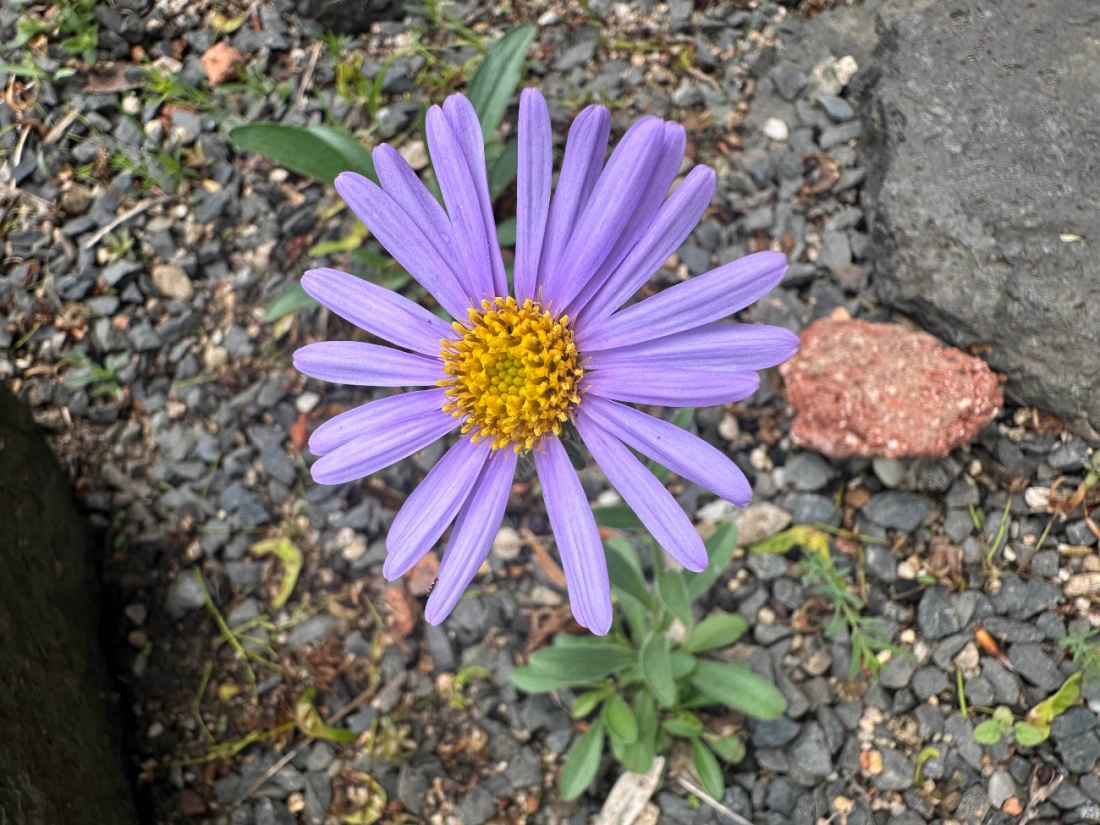
In Bohemia, it grows on three significant hills—Bořeň, Klíč, and Sedlo; in Moravia, the alpine aster can be found in the Jeseníky Mountains. And it is more or less clear that we, as the Teplice Botanical Garden, care for the nearest population on the hill called Bořeň.
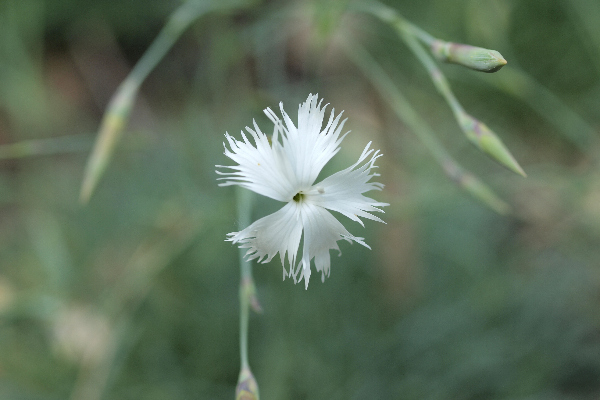
C1r – Critically Endangered Species
Year of Inclusion: 2024
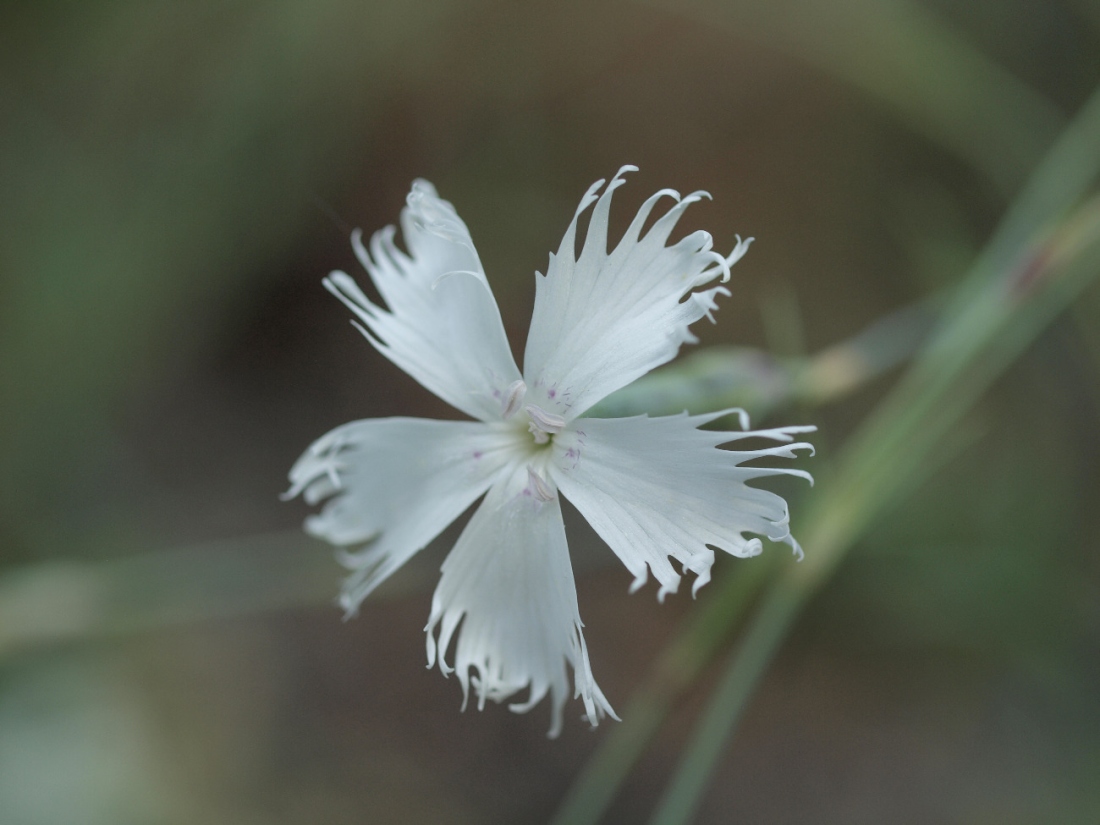
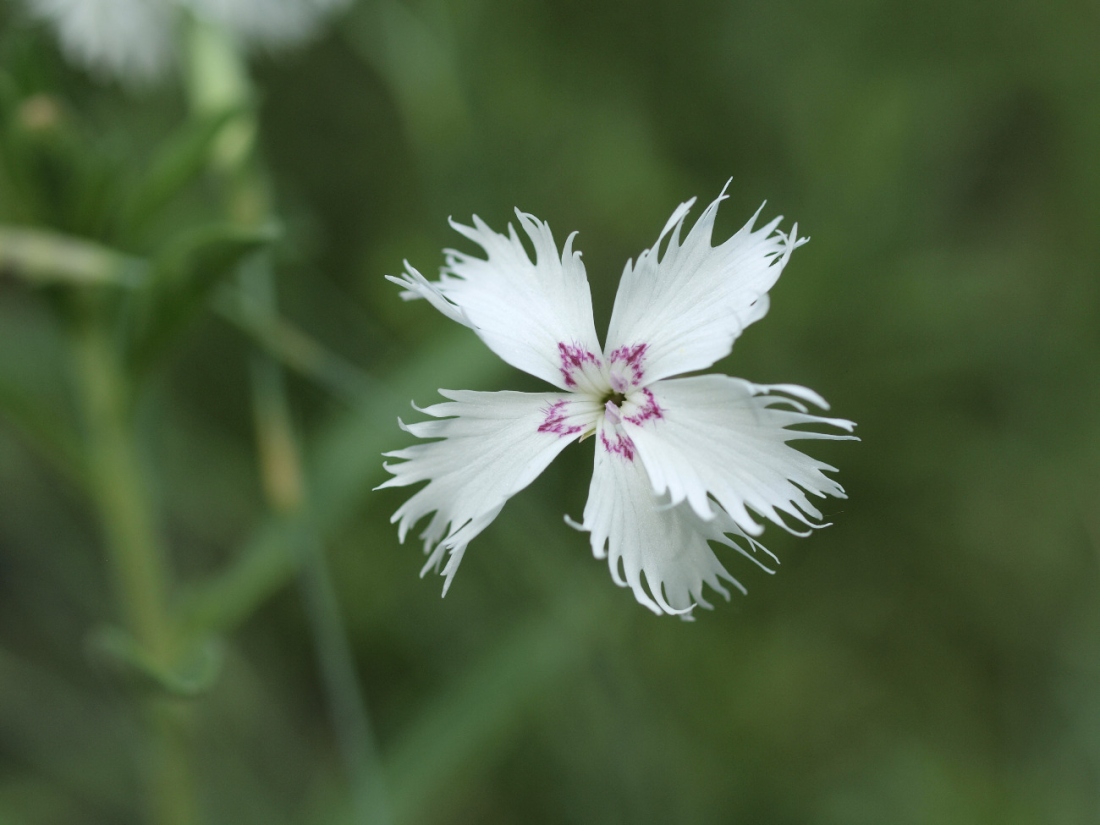
The Bohemian sand pink is a critically endangered endemic species of the Czech Republic, classified as C1 on the Red List. It grows exclusively within the Kleneč pod Řípem National Nature Reserve. Its survival is closely linked to the existence of open sand dunes, which are, however, threatened by succession (overgrowth by grasses and woody plants), eutrophication, and the loss of disturbed habitats. Another significant threat is the decline of traditional land management practices, such as grazing or trampling, which helped maintain the open character of the habitat.
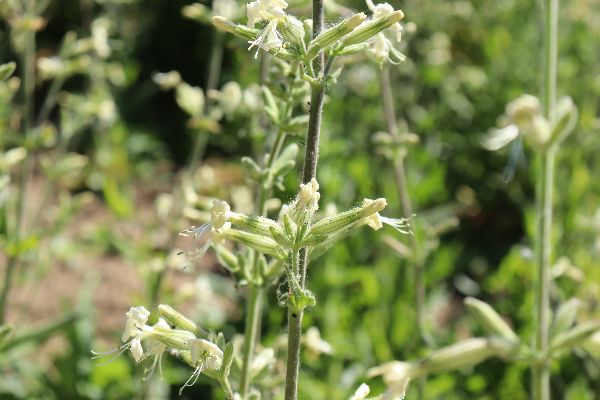
C1t - Critically Endangered Species
Year of Inclusion: 2025
This biennial to short-lived perennial forms a basal rosette of gray-green leaves and a striking stem over a meter tall with white-pink flowers. The entire plant is distinctly sticky—especially the stem—which gives the species its common and scientific names. The threat to the species stems primarily from the overgrowth of sites without traditional management (grazing, mowing), succession, and inappropriate interventions in habitats, such as the planting of trees or the intensification of agriculture.