Botanical gardens preserve rare plants from around the world that have natural enemies in the form of various pests. Many of the cultivated plants are critically endangered species, grown in small numbers; their potential loss due to severe pest infestation would represent an incalculable loss for the botanical garden. At the same time, it is necessary to present plants in good health to visitors. One widely used method is chemical protection in the form of insecticides, fungicides, and other agents against specific pest species. The second option is biological plant protection, which utilizes the pests’ natural enemies in the fight against them.
That is why we decided to switch to biological control in the Tropicana exhibition greenhouse in 2021, and the first release took place, along with testing to see how biological control would work. There are several reasons why we made this decision. First, we wanted to maintain the cleanest possible environment for visitors in the exhibition greenhouses so they wouldn’t have to worry about chemical products. At the same time, the height of the greenhouses—especially our tropical one—does not allow for easy access to the upper levels, which are difficult to treat with sprays.
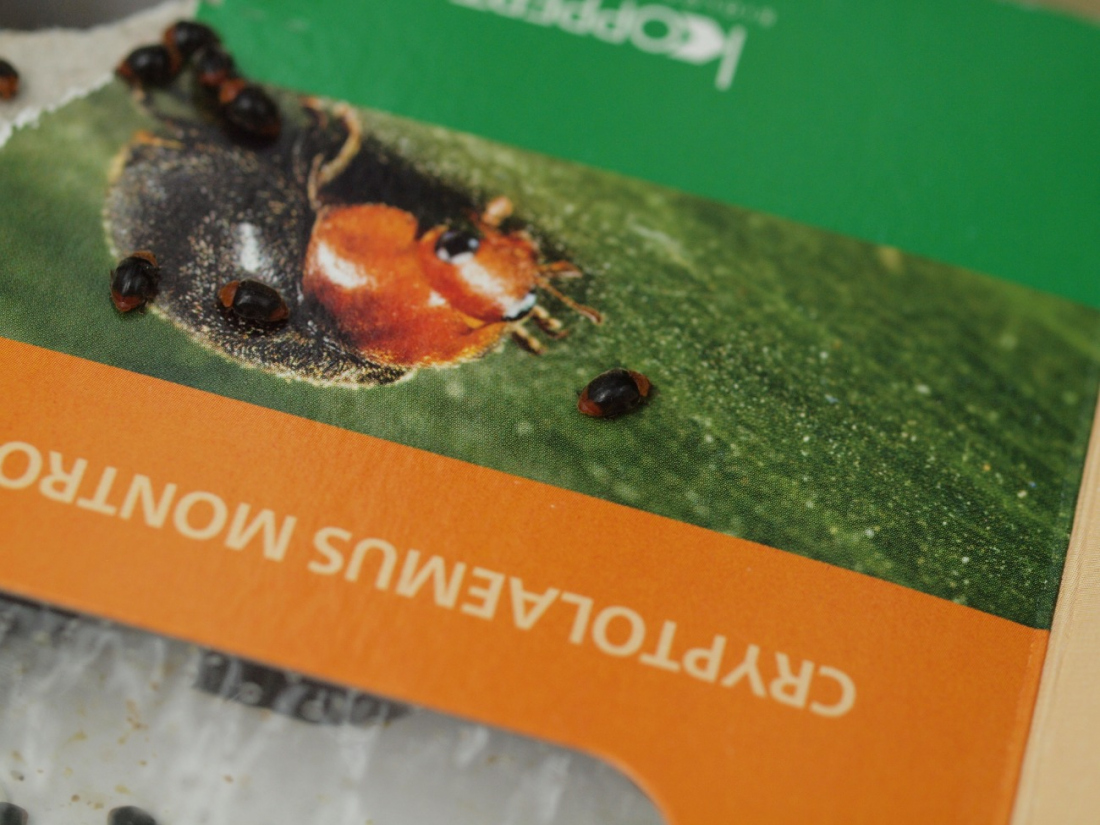
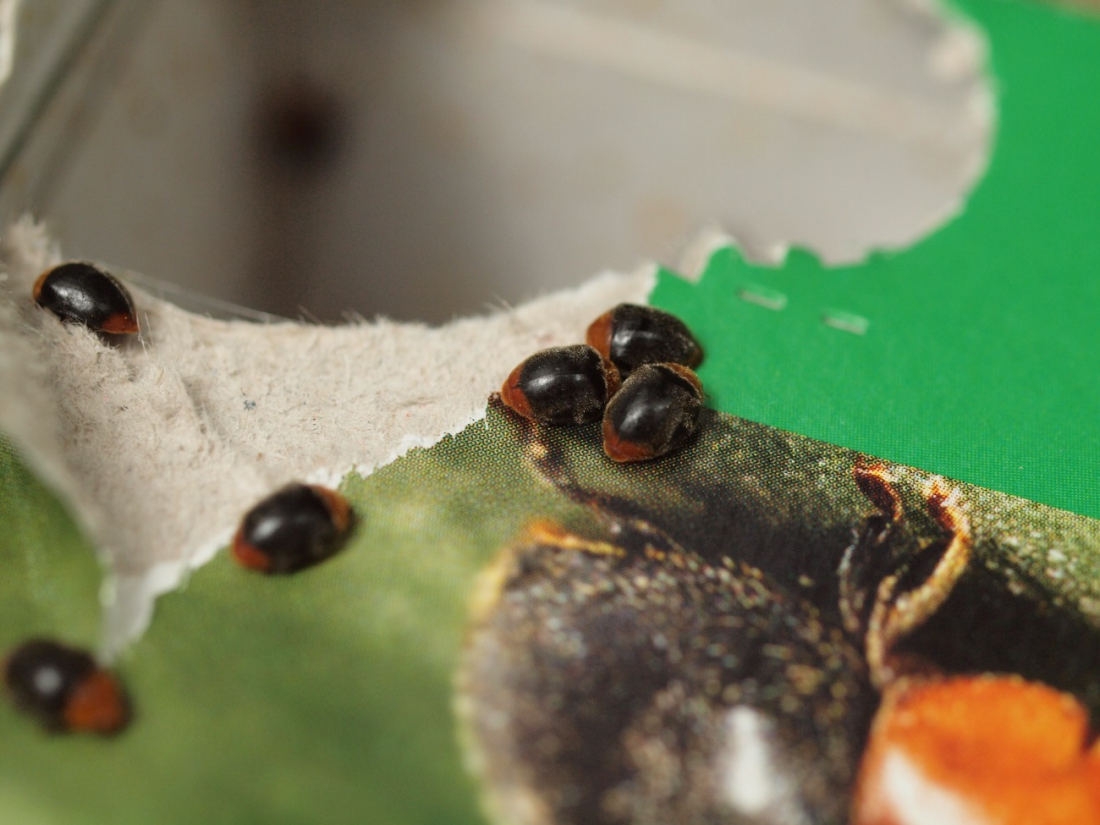
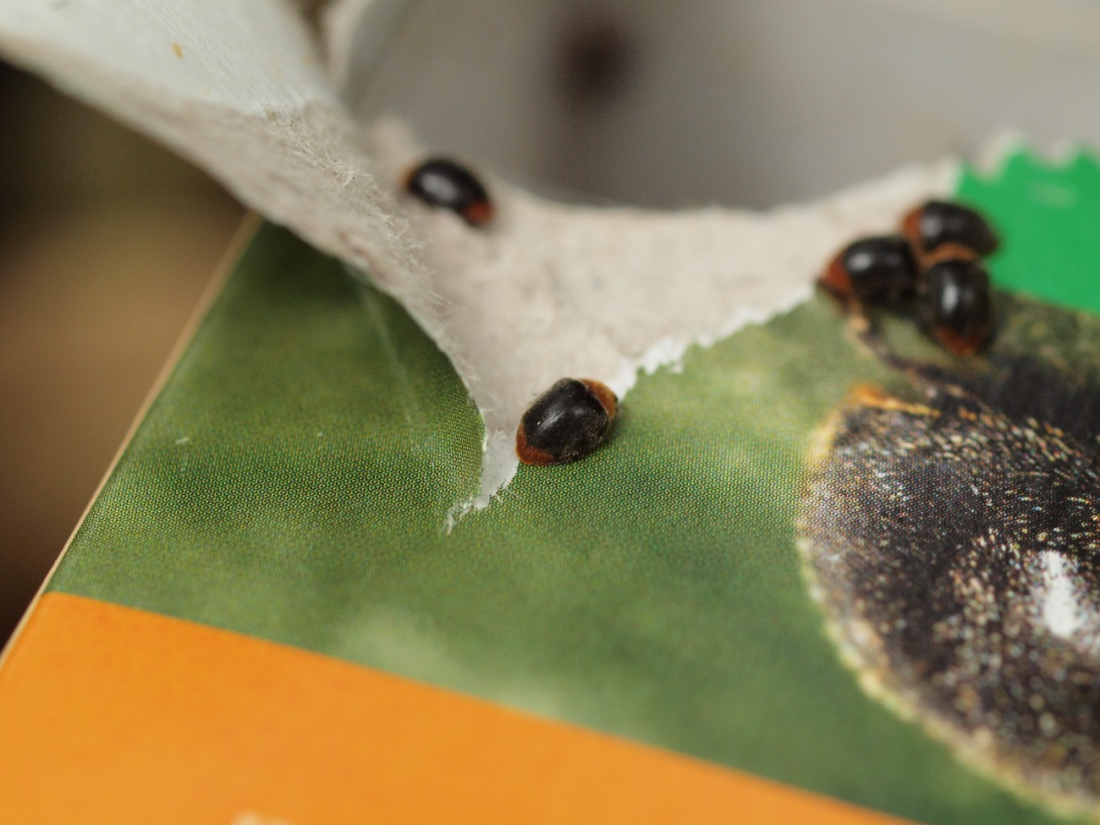
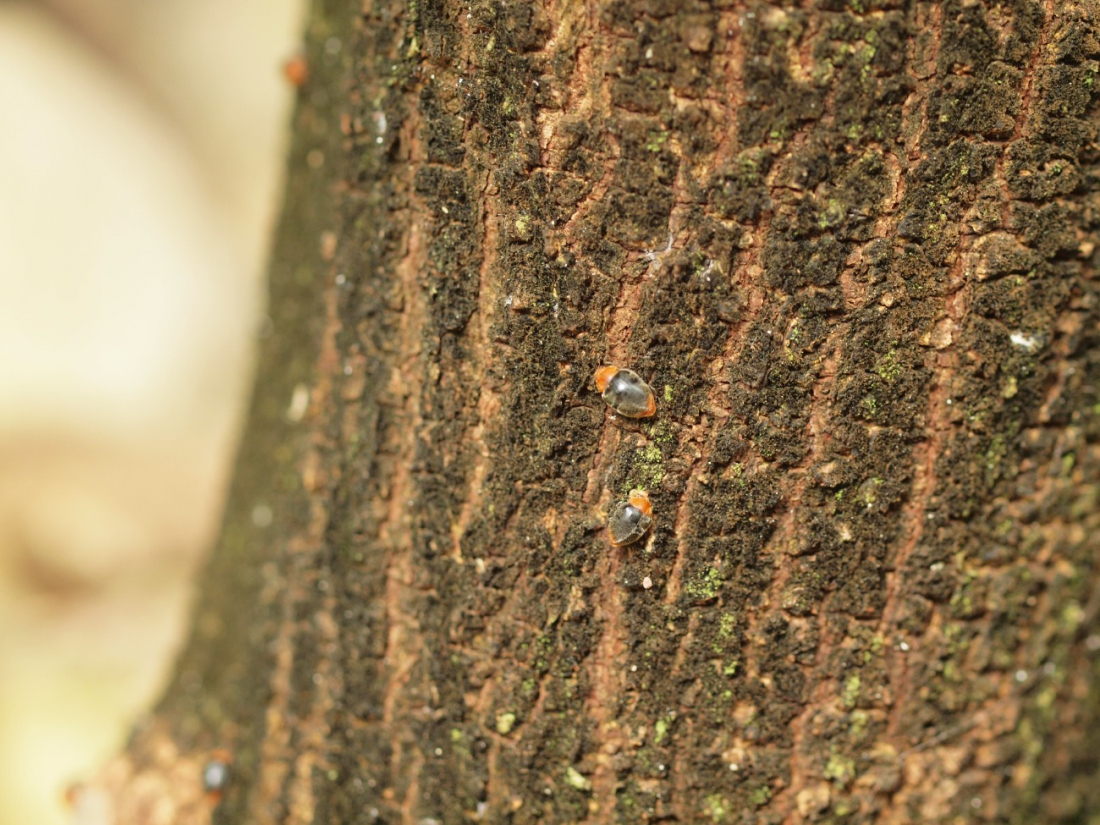
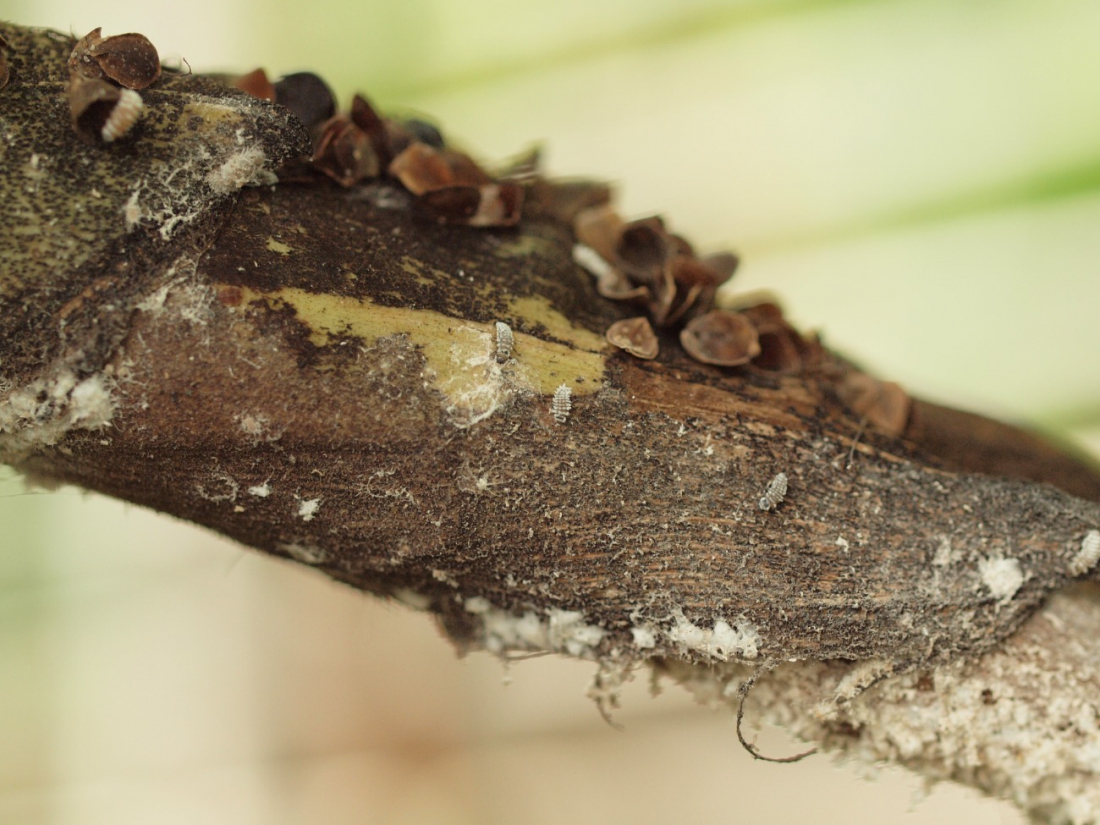
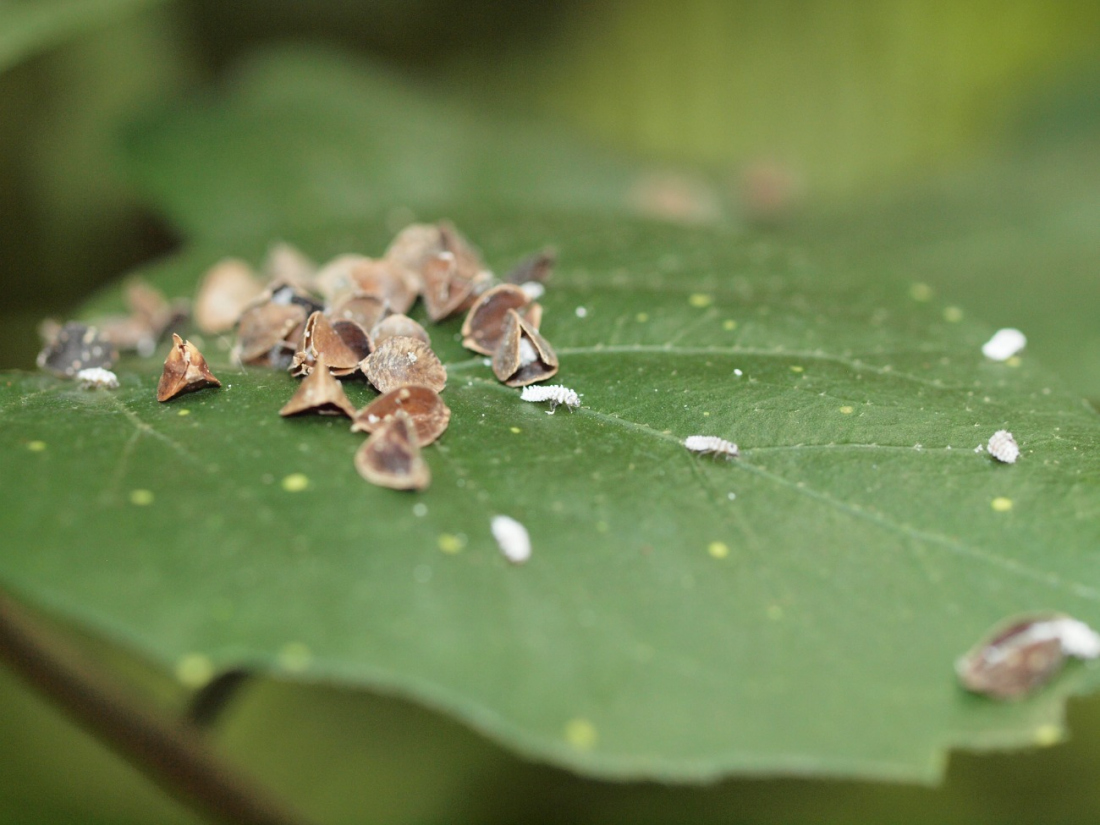
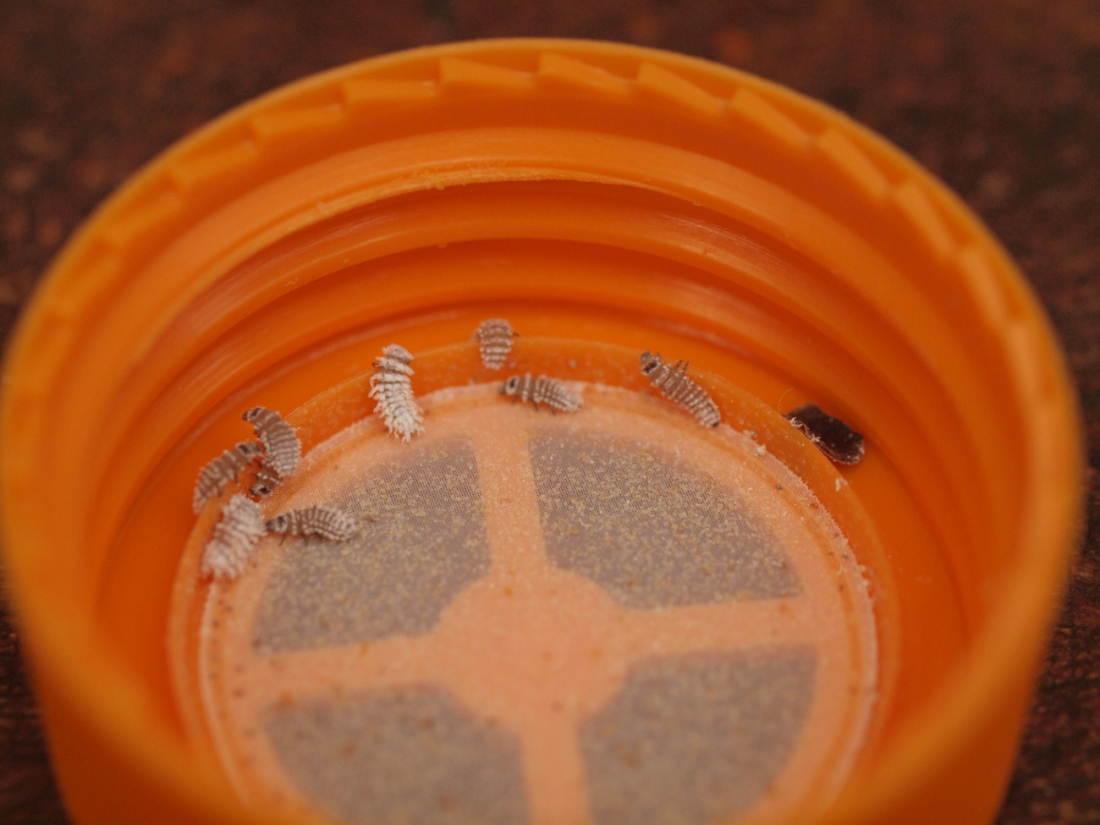
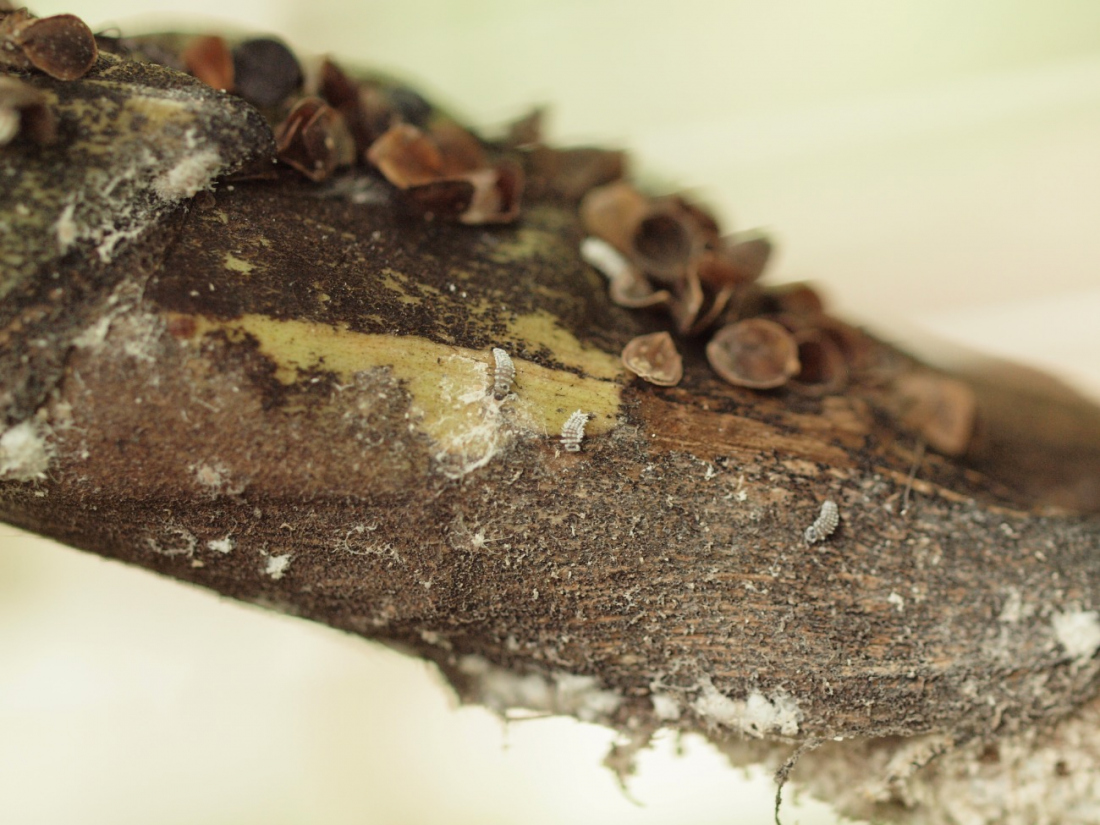
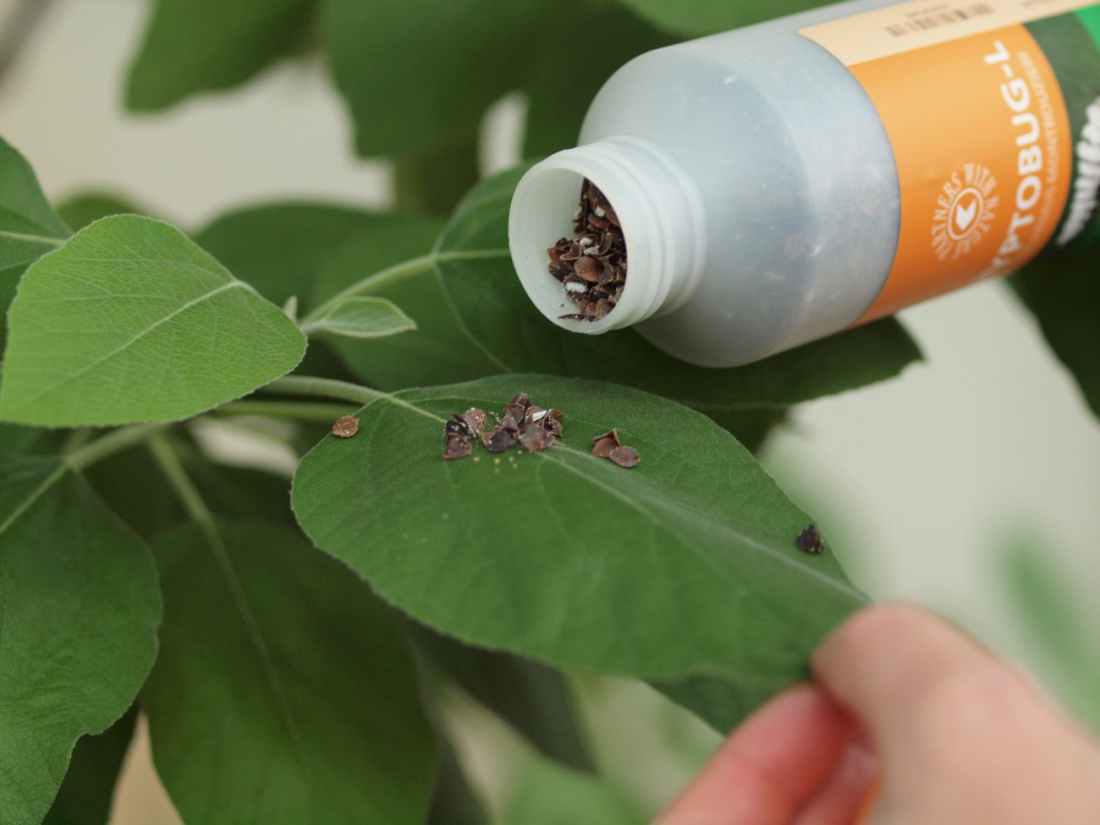
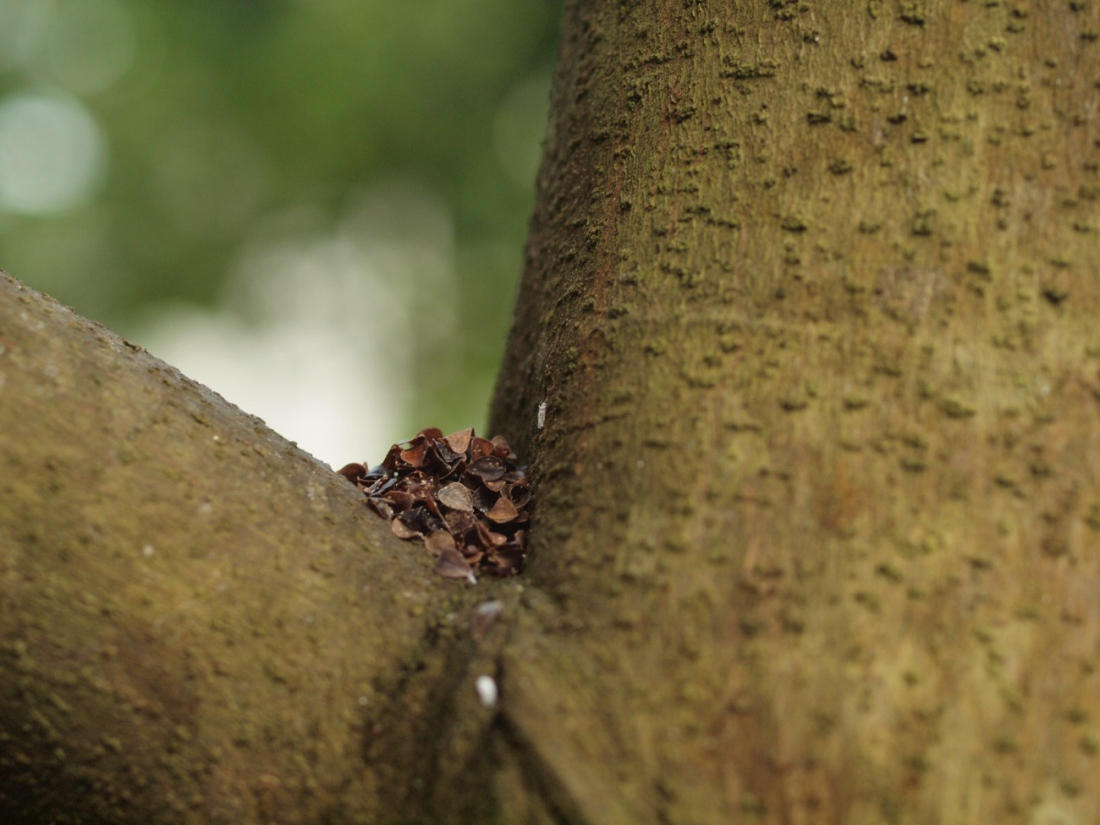
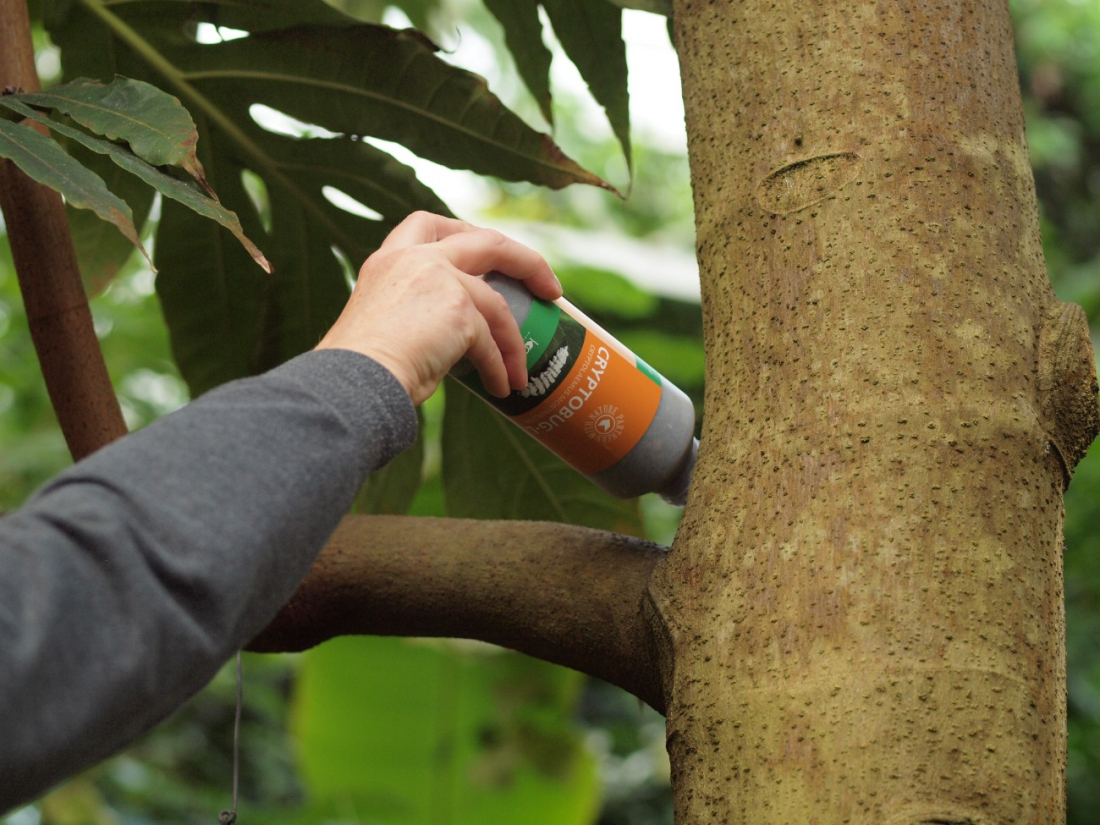
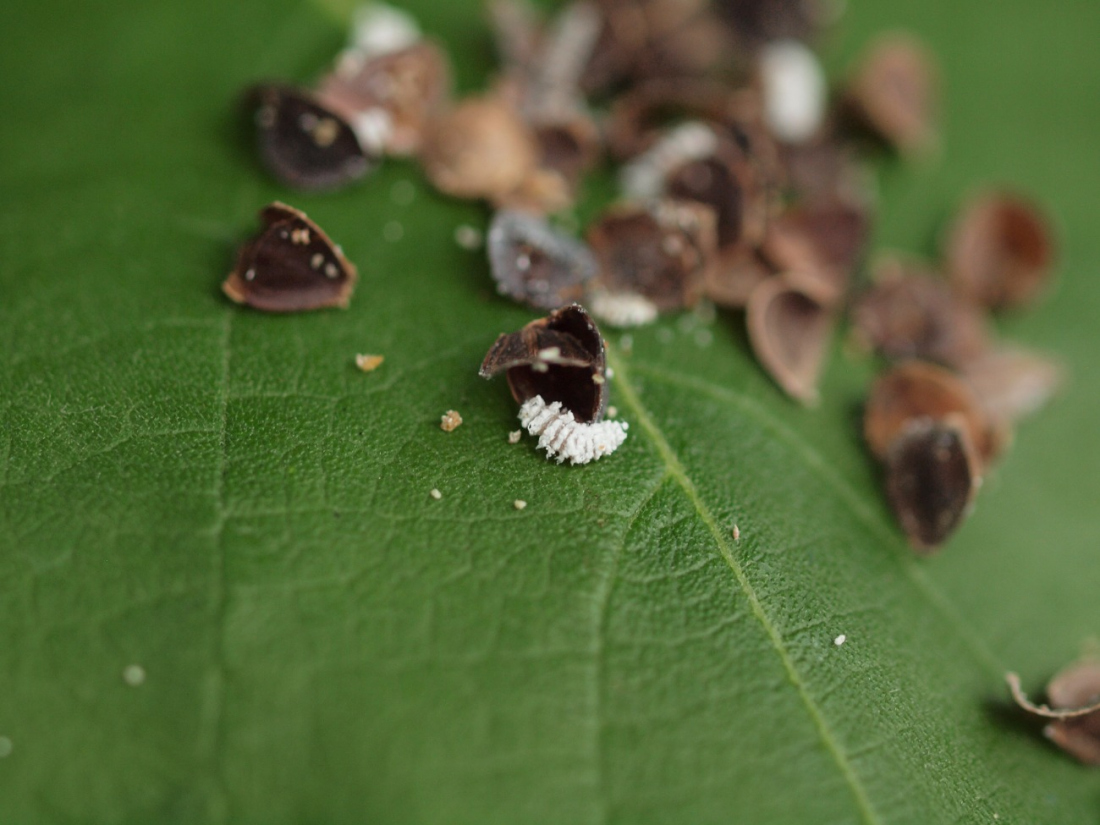
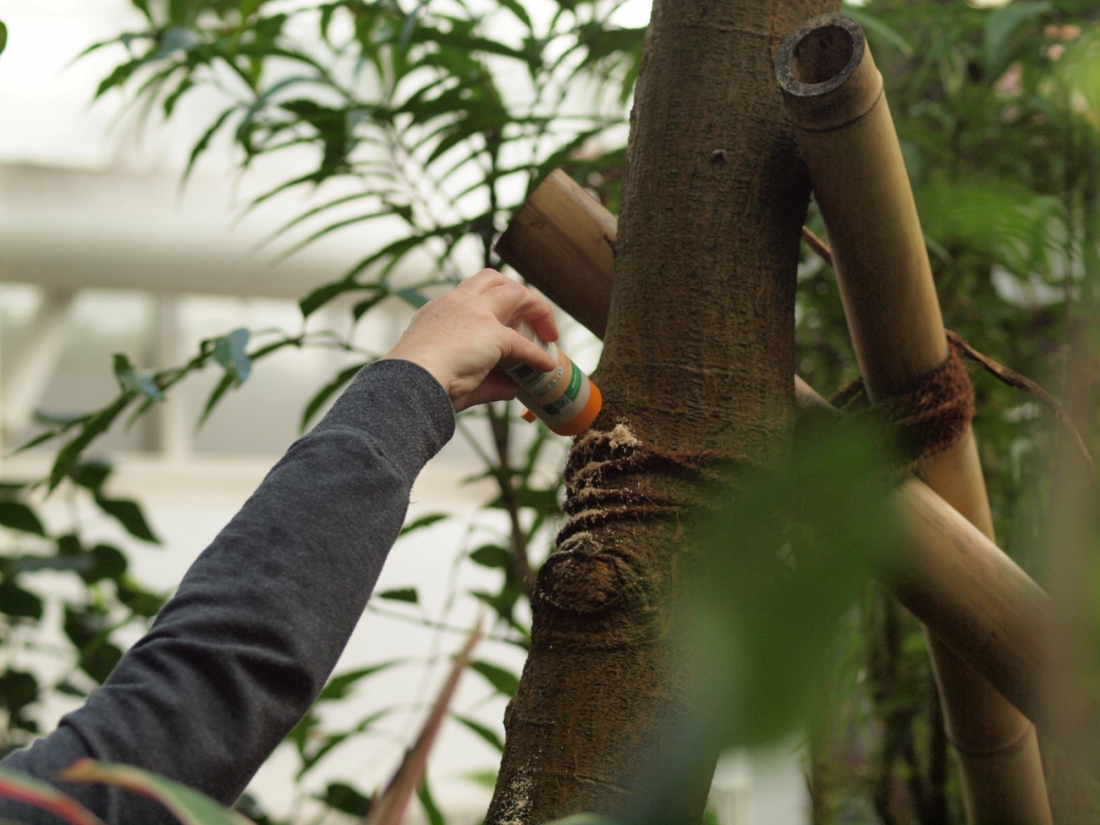
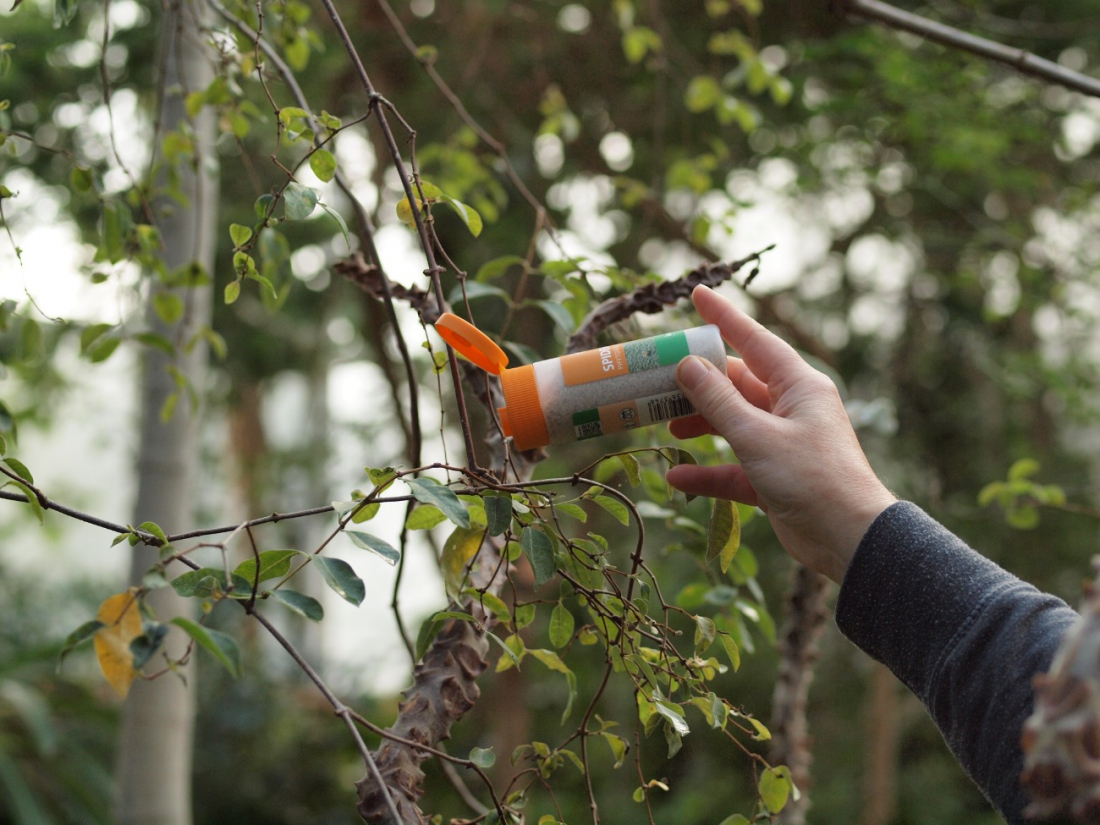
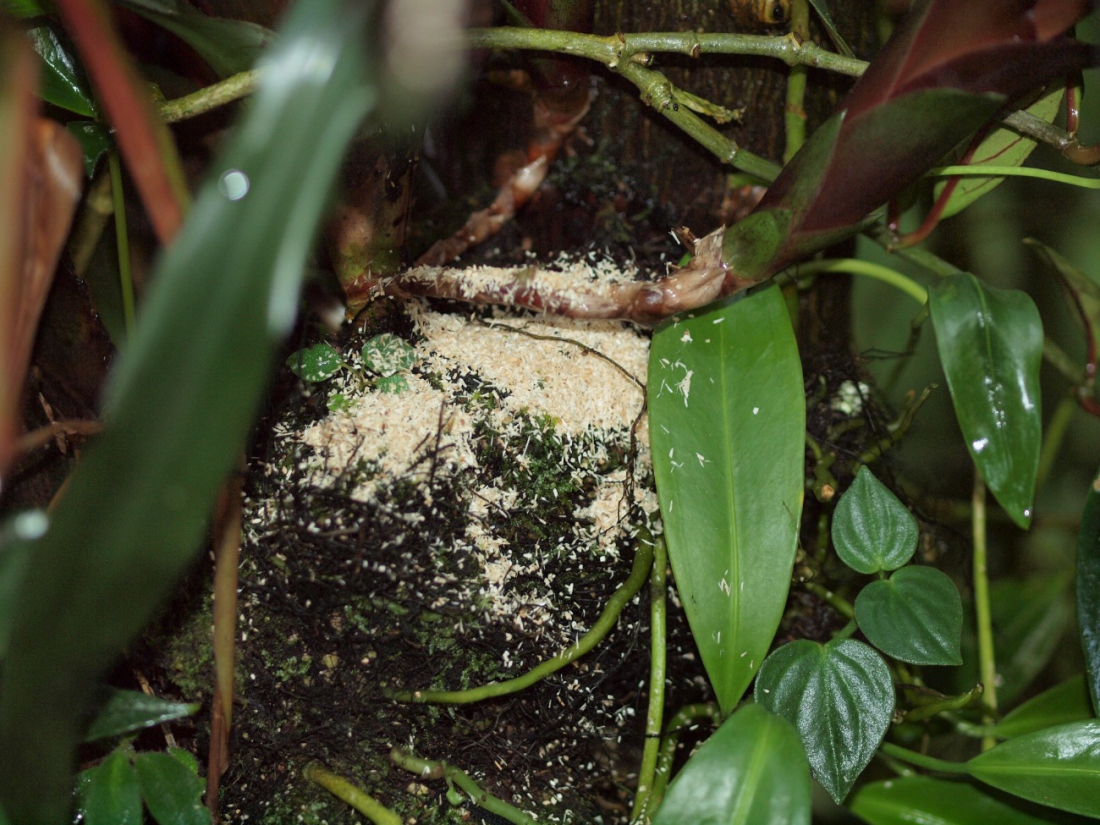
Due to our problems with spider mites, we decided to use the predatory mite Phytoseilus persimilis, which seeks out and consumes adult spider mites, nymphs, larvae, and eggs. A single adult mite can eliminate up to five adult spider mites or twenty larvae and eggs per day. The second beneficial organism is the predatory ladybug Cryptolaemus mountrouzieri, whose adults and larvae prey on all life stages of mealybugs. A single larva can consume up to 250 mealybugs during its development.
The advantage of biological control is that it uses natural and environmentally friendly methods of plant protection that do not harm the environment. While the effects take longer to appear than with chemical treatments, the benefits of biological control are more long-lasting. Experiences from botanical gardens vary. Some praise biological control and use it without any problems, while others do not use it or have had downright bad experiences with it.
And what has been our experience? It seems to be effective, although the onset is slower (especially in cases of severe infestation). The effectiveness of biological control is confirmed not only by repeated findings of larvae and adult ladybugs, but also by the healthy plants where we applied biological control. How did the colonization of our greenhouse proceed?
Effective pest monitoring is crucial for a botanical garden—it protects valuable plant collections, supports the long-term health of the displays, and enables a timely response to potential threats. Through systematic monitoring, we can minimize damage, reduce the need for chemical interventions, and contribute to the protection of endangered species that are part of our collections. Monitoring is thus not only a practical tool but also an essential step toward responsible management and sustainable plant conservation.