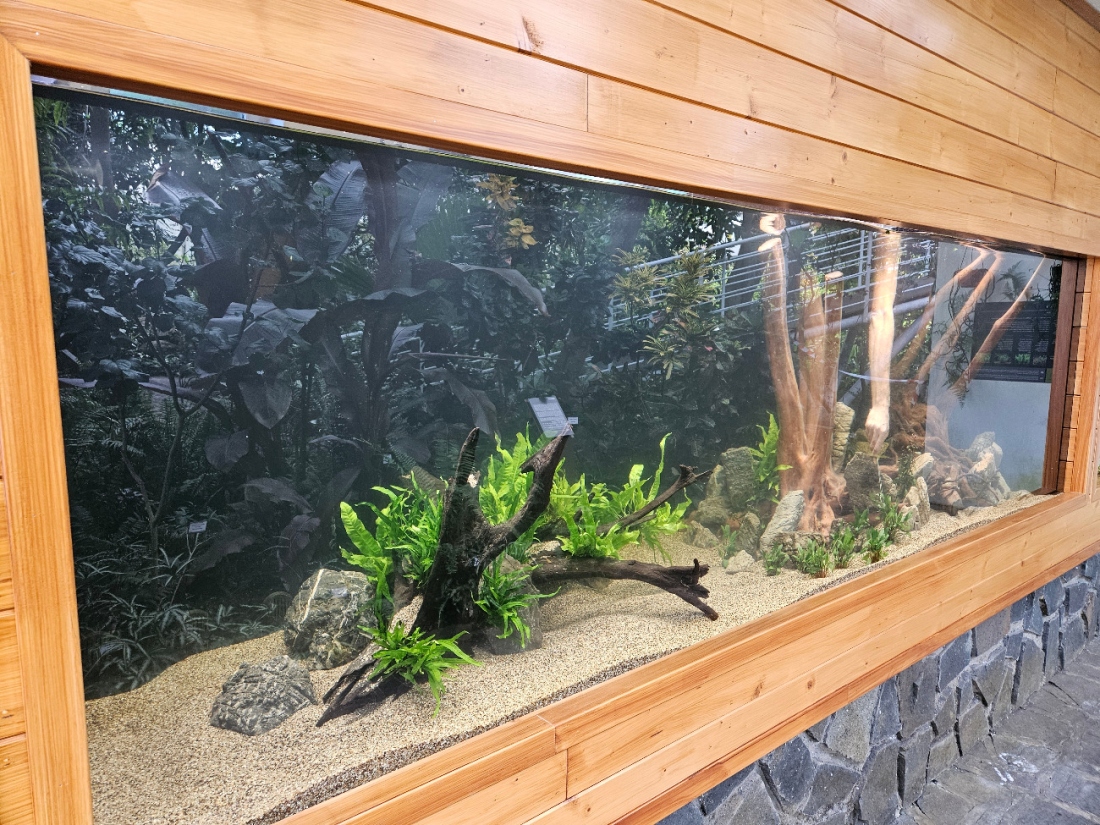
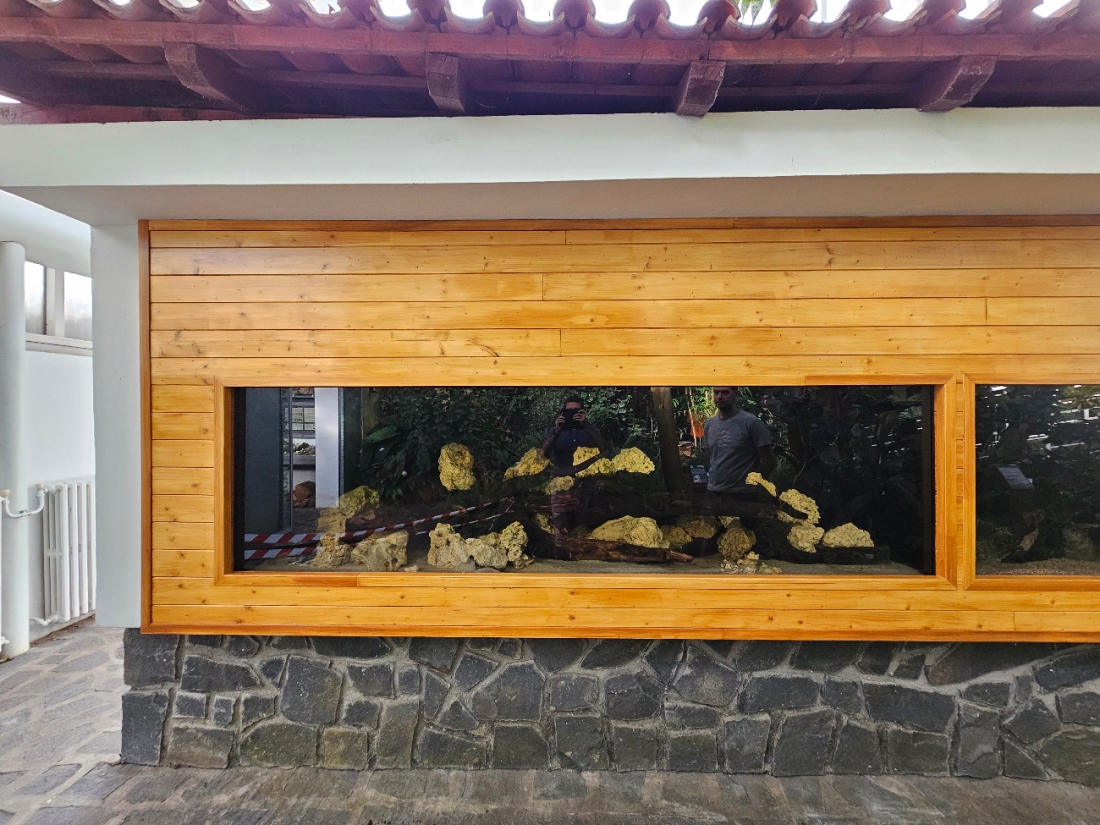
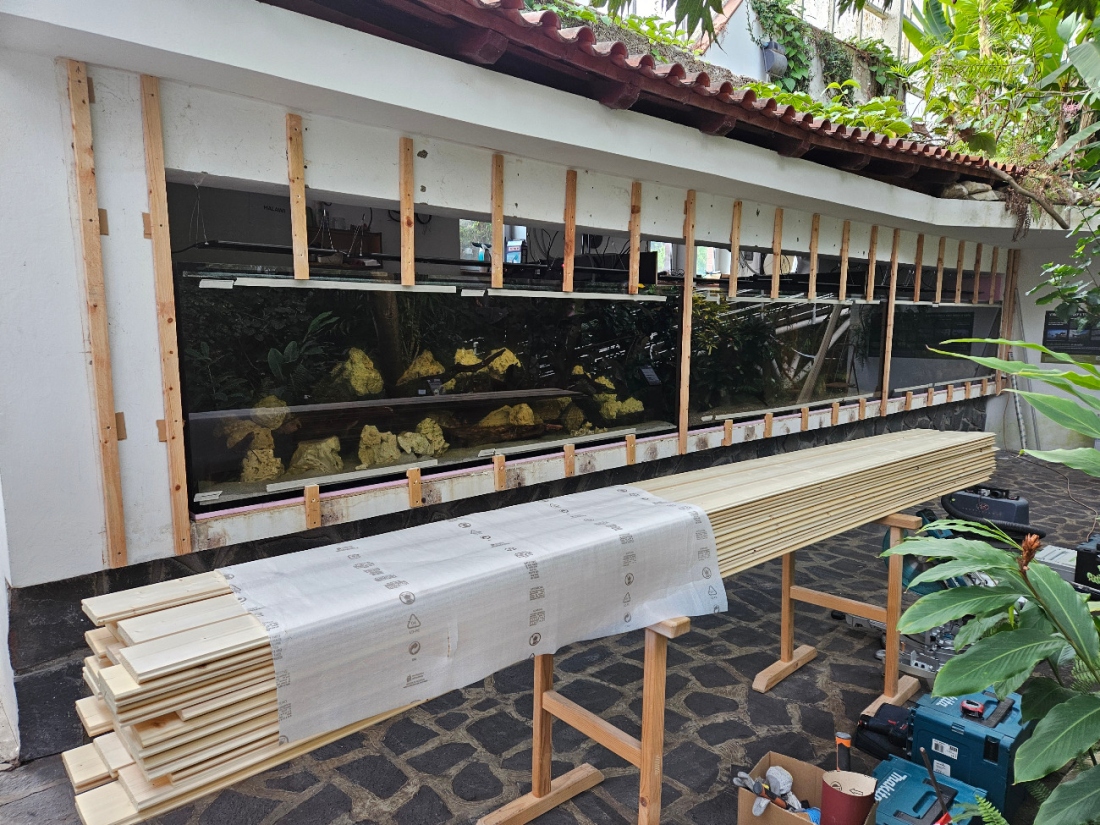
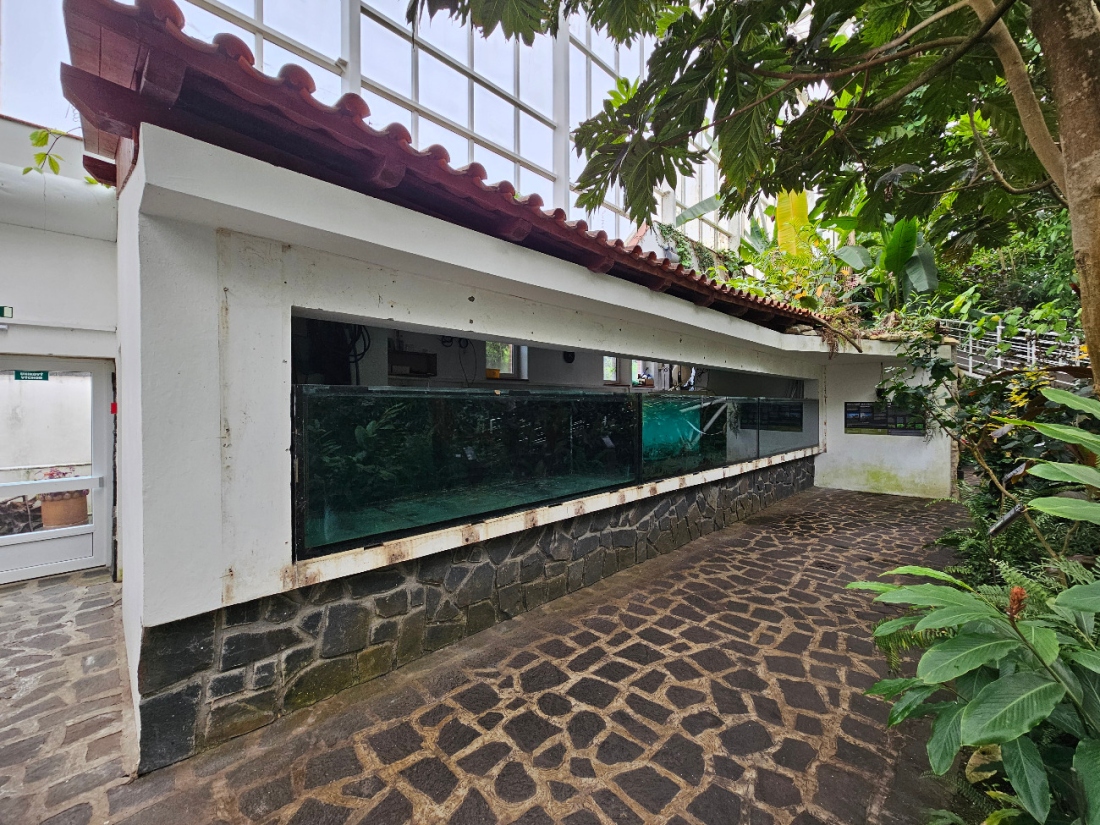
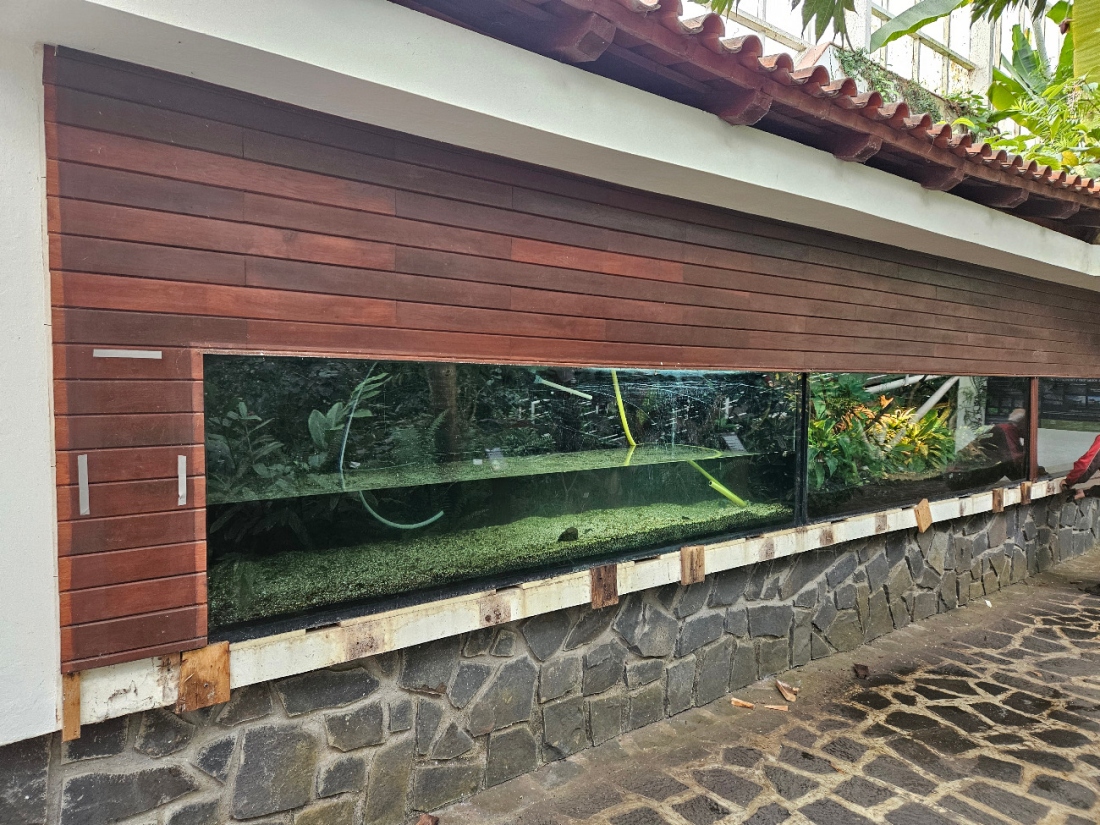
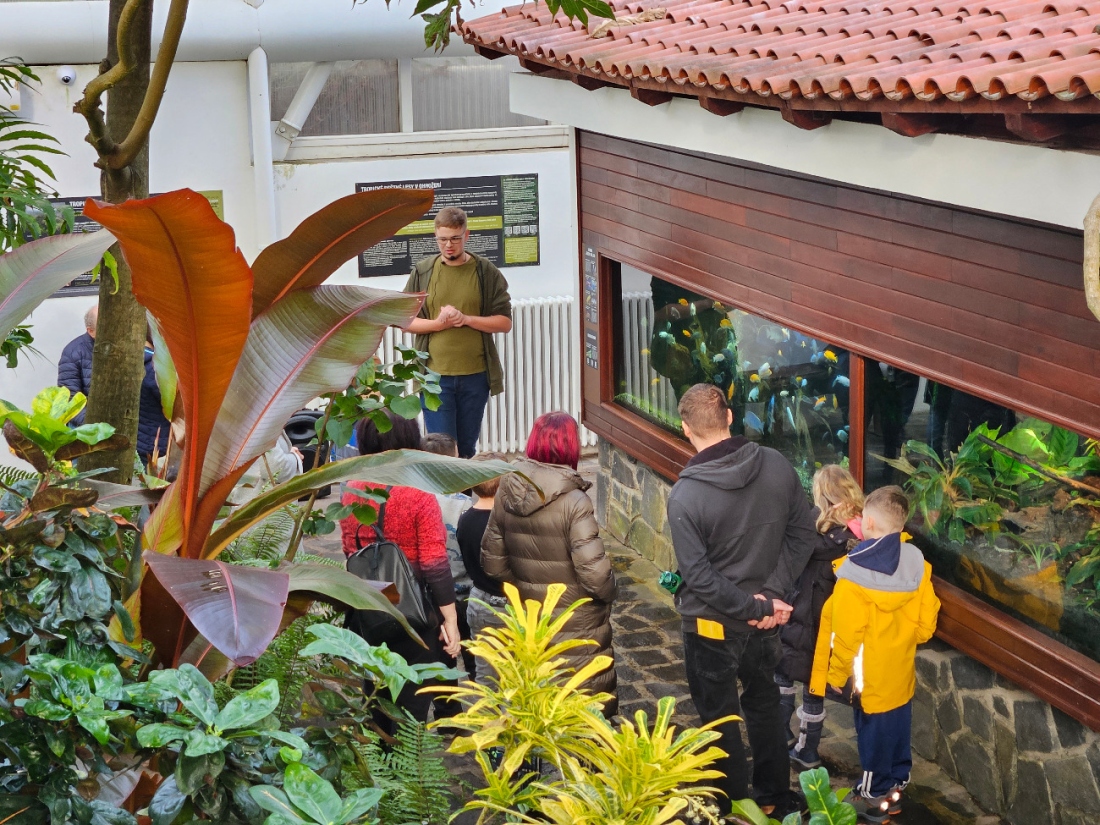
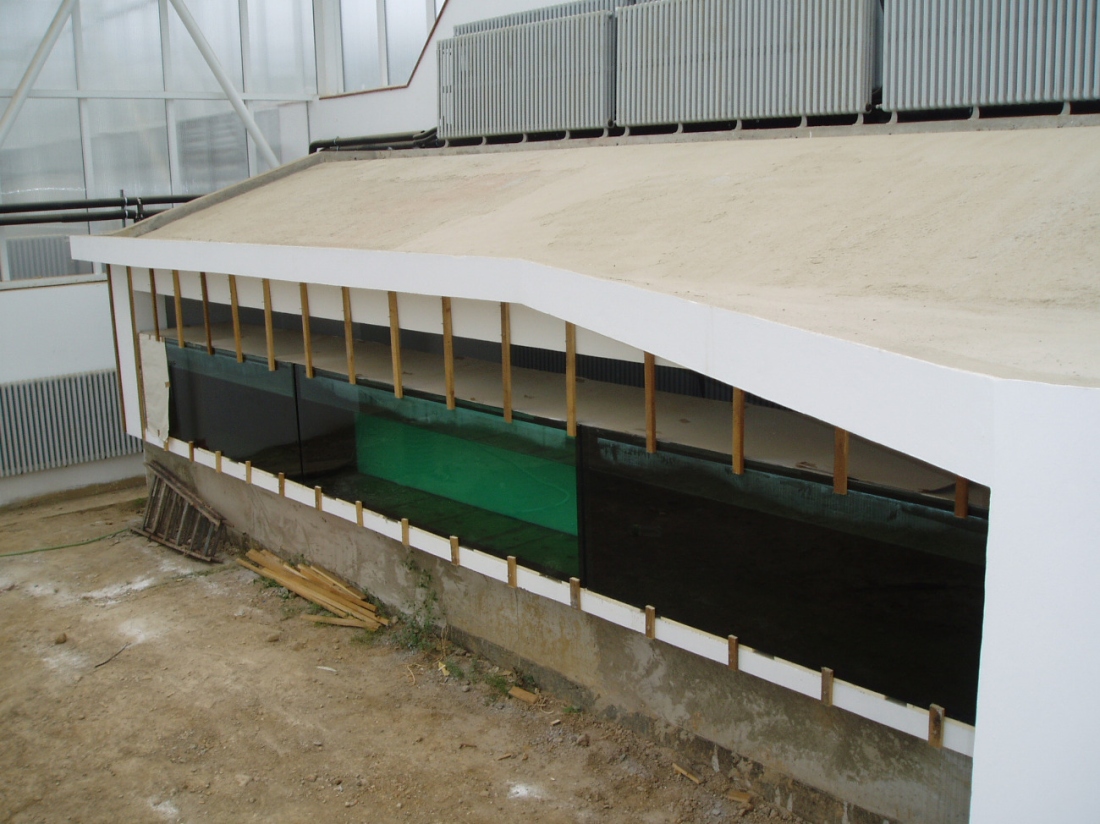
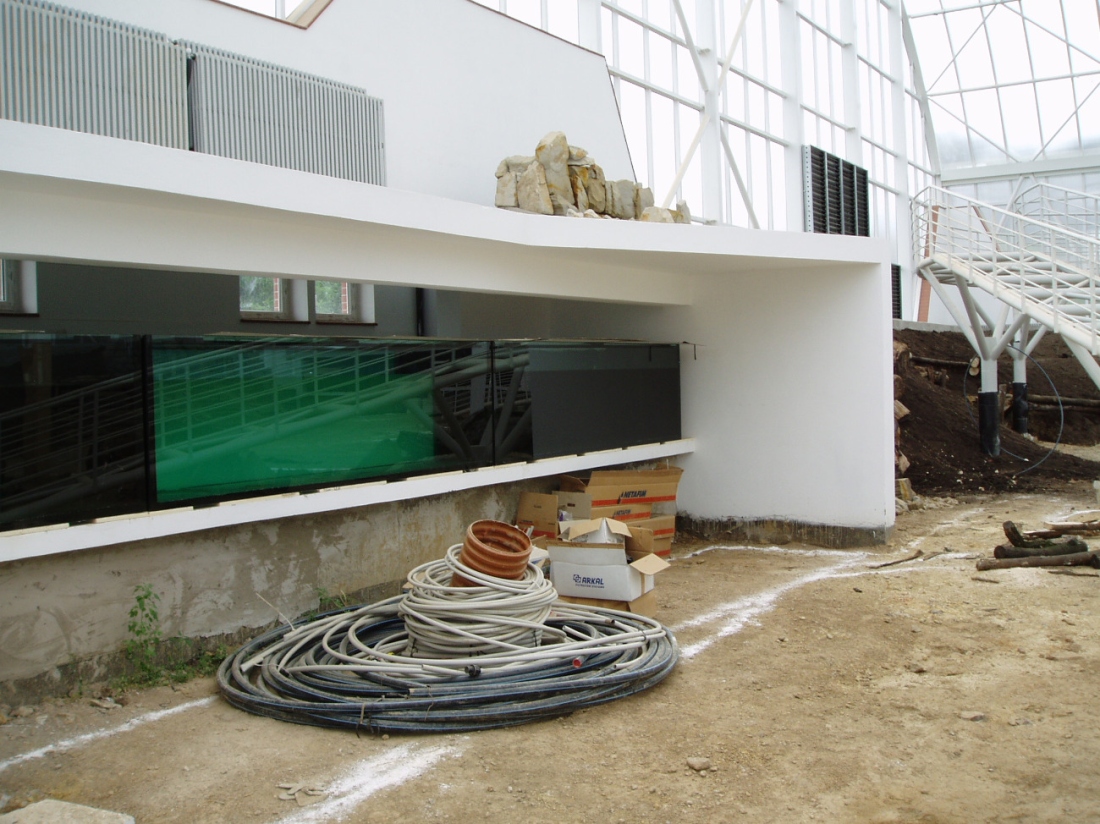
The first three aquariums, located just past the entrance to the tropical greenhouse, are dedicated to the fauna and flora of the Paleotropics (the tropics of the Old World, i.e., Africa, Asia, Australia, and Oceania). The aquariums were built alongside the greenhouses between 2005 and 2007 and renovated in 2025.
Overview of individual aquariums
| Biotope | Volume | Number of cultivated taxa | Number of kept taxa |
| Africa – Lake Malawi | 2 500 l | 0 | 8 |
| Australia and Indonesia | 2 500 l | 10 | 9 |
| Southeast Asia | 2 500 l | 12 | 9 |
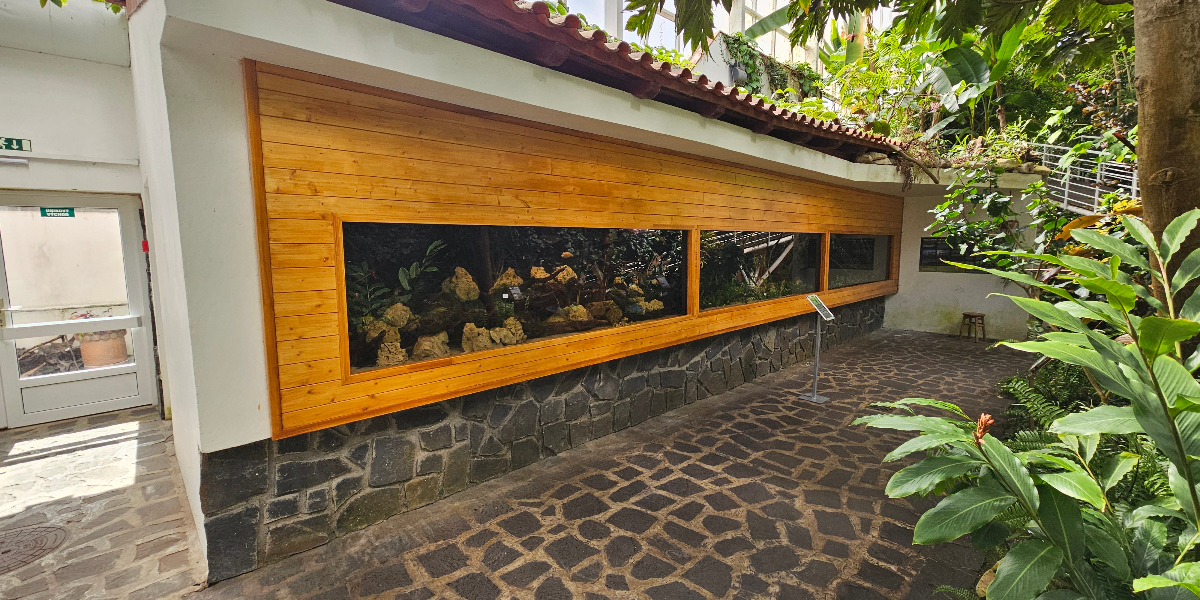
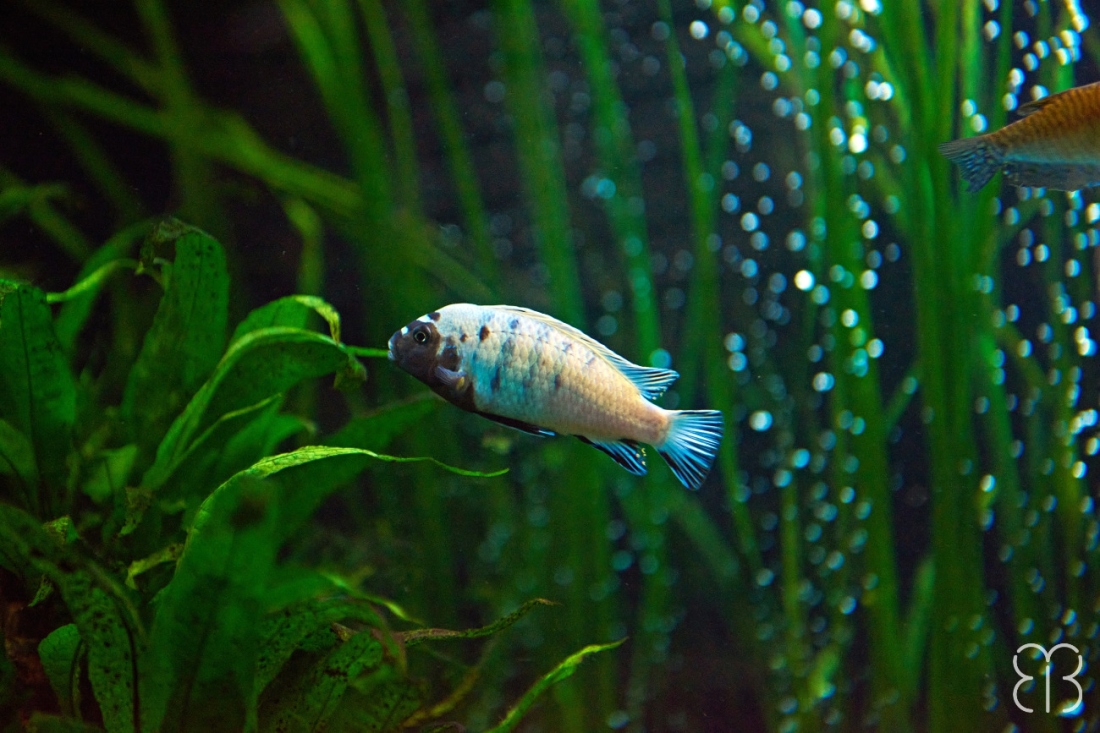
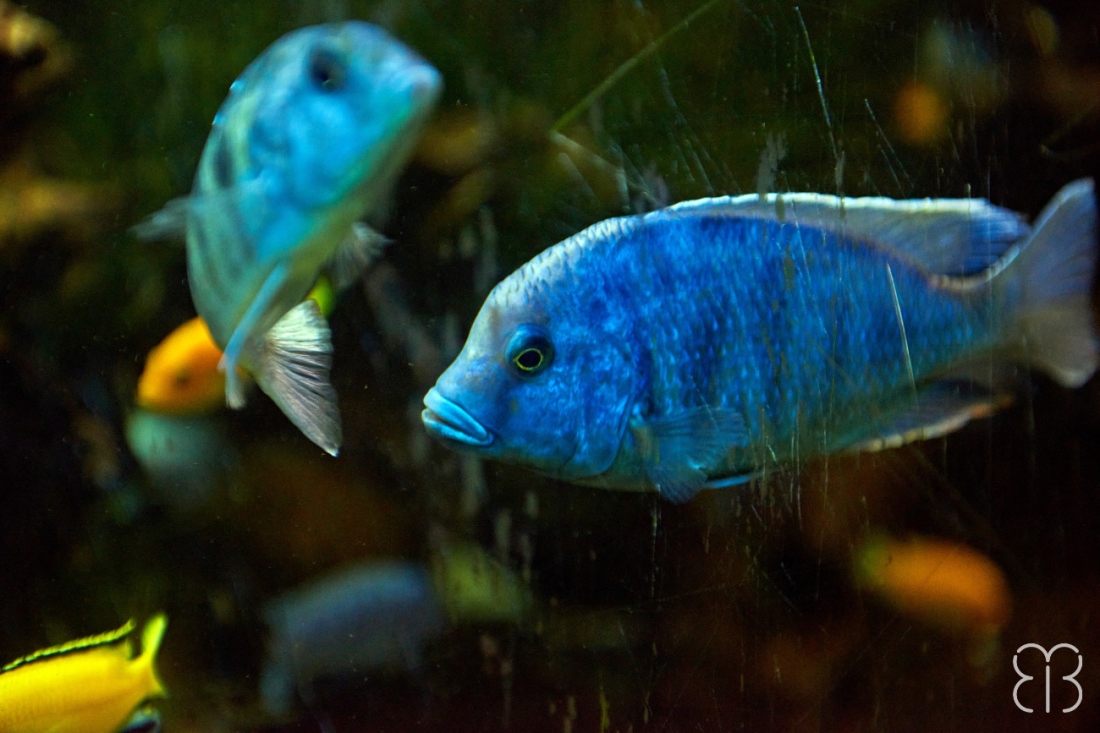
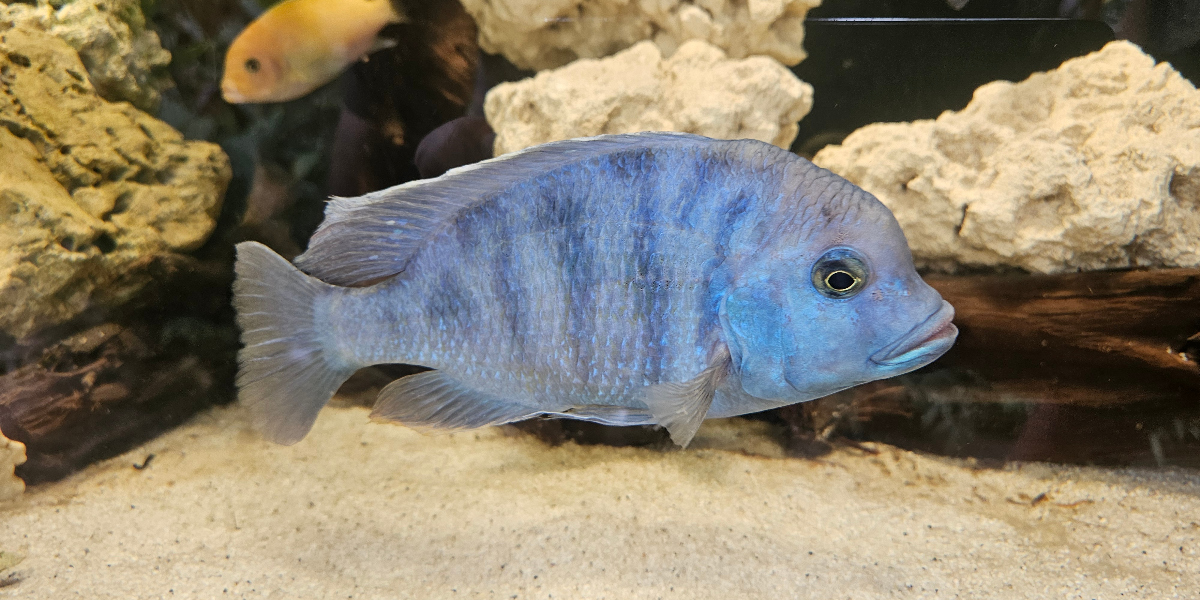
The aquarium representing Africa’s Lake Malawi is one of the most enduring features of the Paleotropical Aquariums. From the very beginning, visitors have admired the colorful and dynamic community of cichlids—fish that have gained popularity not only for their behavior but also for their striking colors.
Over the years, the species composition has changed slightly, but the core has always consisted of strikingly colorful species that perfectly illustrate the diversity of the Malawian biotope. Among the most striking inhabitants of the aquarium were and still are Labidochromis caeruleus—bright yellow fish with a black border on the dorsal fin—and the pale blue, dark-striped Labeotropheus fuelleborni. The bright blue Sciaenochromis fryeri and the reddish Aulonacara Red Dragon add further shades to the color spectrum of the exhibit. This colorful group is complemented by Pseudotropheus polit and the large, vividly blue Placidochromis phenochilus from the Lupingu region.
The aquarium featuring cichlids from Lake Malawi has thus always remained a stable showcase of one of the world’s most remarkable freshwater ecosystems—and its beauty has not faded over the years.
Evolutionary diversification of African cichlids
The cichlids (Cichlidae) are a family of spiny-finned ray-finned fish, which includes the cichlids of the East African lakes. It was among these species that so-called adaptive radiation occurred—an accelerated evolutionary diversification as they colonized a new environment. Within a short period of time, species evolved that differ from one another primarily in head shape, which is closely related to dietary specialization. These include plankton filter feeders, algae grazers, predators with powerful jaws, and shell crushers.
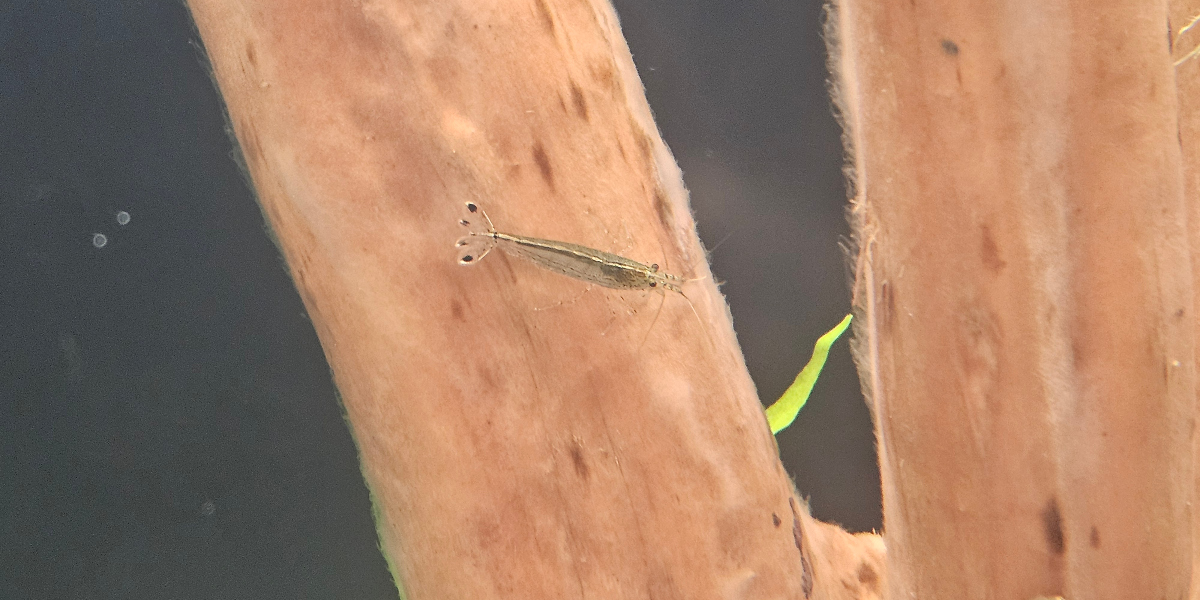
Unlike the neighboring aquariums, the central area has remained open to changes throughout its existence. It is here that a wide variety of biotopes have been tested over the years—and each transformation has offered a new perspective on tropical nature.
One of the most distinctive periods was the mangrove era—specific coastal ecosystems of brackish waters where the roots of trees such as Rhizophora, Bruguiera, and Avicennia rise above the muddy bottom, allowing them to breathe even during high tide. At that time, the aquarium was home to fascinating “amphibious” fish—climbing gobies (Periophthalmus barbarus), capable of moving not only in water but also on land. Red-clawed crabs (Sessarma mederi) also led a hidden life in the depths of the tank, appearing mainly at night.
Later, the mangrove exhibit was converted into a breeding facility for mudskippers, and in 2018 a major transformation took place—the aquarium was redesigned into a semi-terrestrial terrarium, where felsumas found a new home. They remained part of the exhibit until 2025, when another renovation took place.
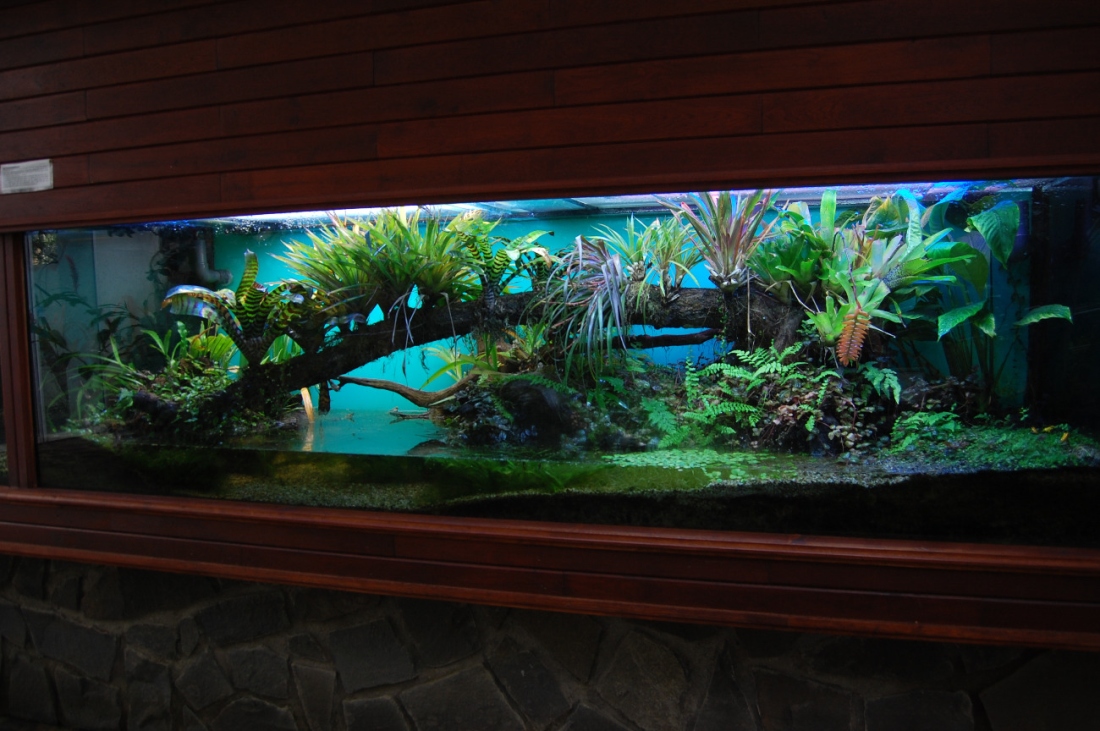
Currently, the central aquarium has been transformed once again—this time into the aquatic world of Australia and New Guinea. The new exhibit will offer visitors a glimpse into lesser-known but all the more remarkable biotopes and will feature, in particular, rainbowfish—exceptionally colorful fish that stand out for their elegance, variety, and active behavior.
Over the years, this ever-changing exhibit has offered visitors a glimpse into various corners of the tropical world—and has become a testing ground for ideas on how to present tropical nature from different perspectives.
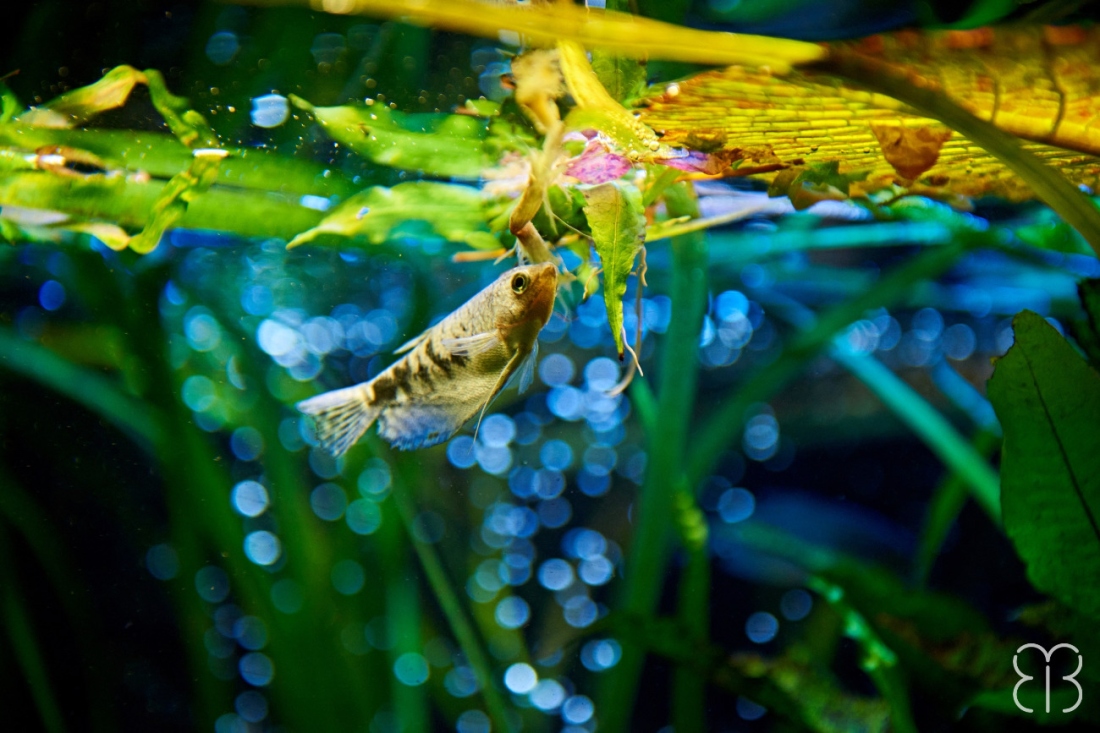
The aquarium showcasing the freshwater ecosystems of Southeast Asia is also one of the original and long-standing features of the Paleotropical exhibit. Its main inhabitants have always been members of the labyrinth fish family—elegant and peaceful fish known for their unique respiratory system that allows them to utilize atmospheric oxygen.
Particularly popular with visitors is the pearl gourami (Trichogaster leeri) with its silvery, shimmering body and delicate net-like pattern, as well as the brightly colored Gold variant of the gray gourami (Trichogaster trichopterus). These are complemented by the lipped gourami (Colisa labiosa) and the banded gourami (Colisa fasciata), creating a harmonious and colorful community. Dynamic movement is brought to the tank by golden barbs (Puntius semifasciolatus), a small school of wedge-spotted rasboras (Rasbora heteromorpha), and playful loaches (Botia sidthimunki).
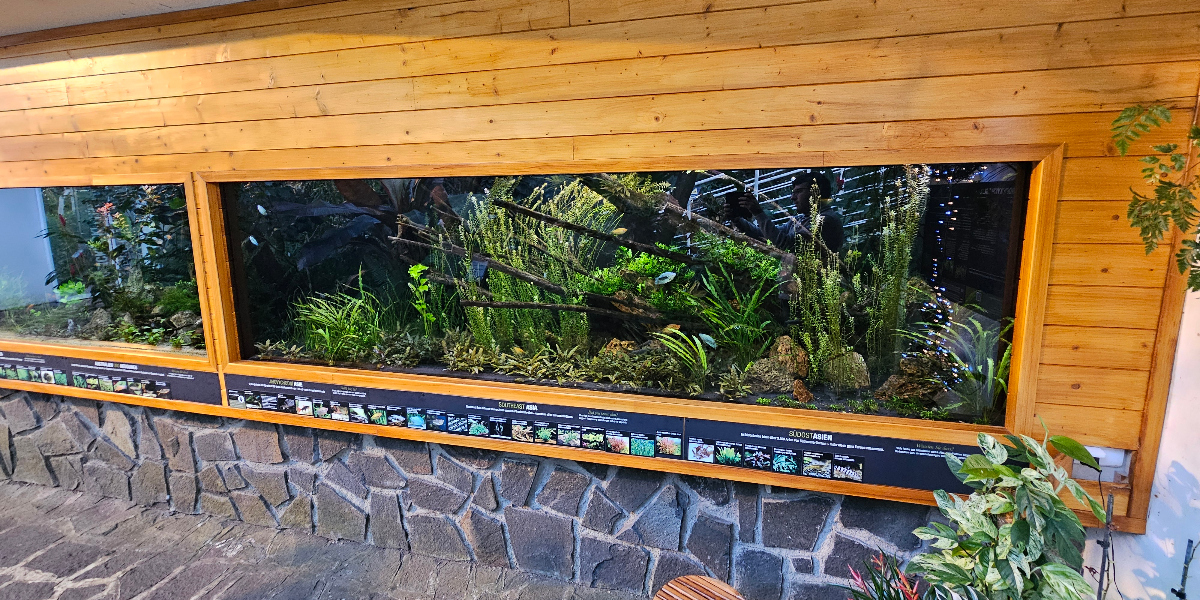
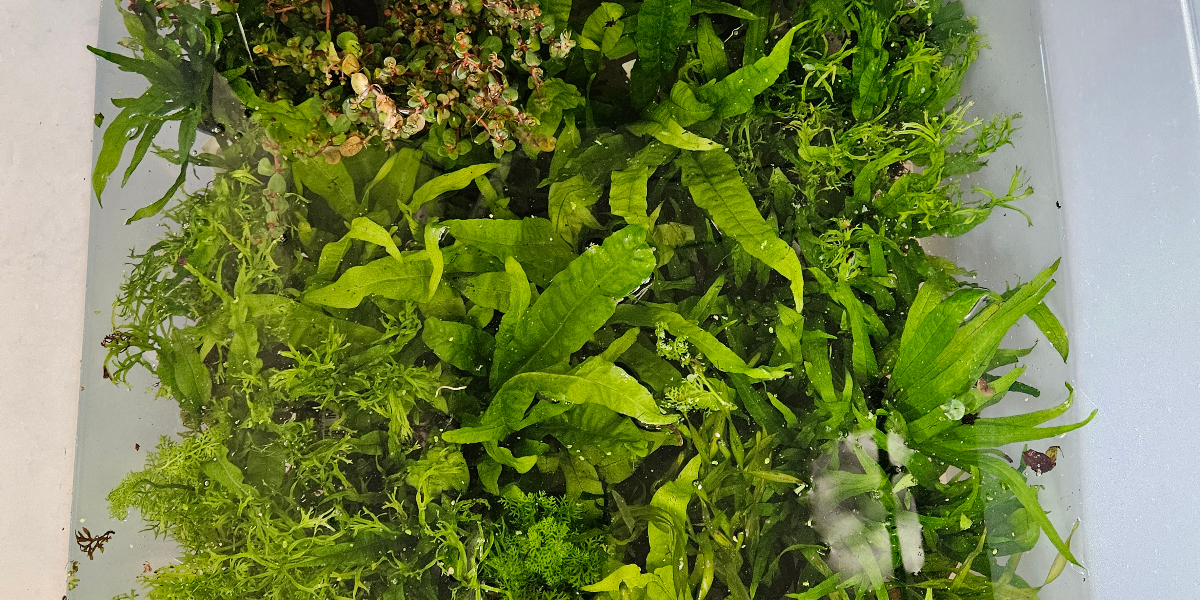
While the African aquarium dedicated to Lake Malawi remains unplanted—in keeping with the natural conditions of the rocky habitat—plants play a crucial role in the tanks inspired by Asia and Australia. They not only create aesthetically striking scenery but also provide fish with hiding places, spawning grounds, and a natural environment for their behavior.
Cryptocoryne
These unassuming marsh plants are a classic in Asian aquariums. They form dense stands with leaves of various colors and shapes, ranging from green to brownish or burgundy, and tolerate low light well. They are ideal for creating a natural substrate.
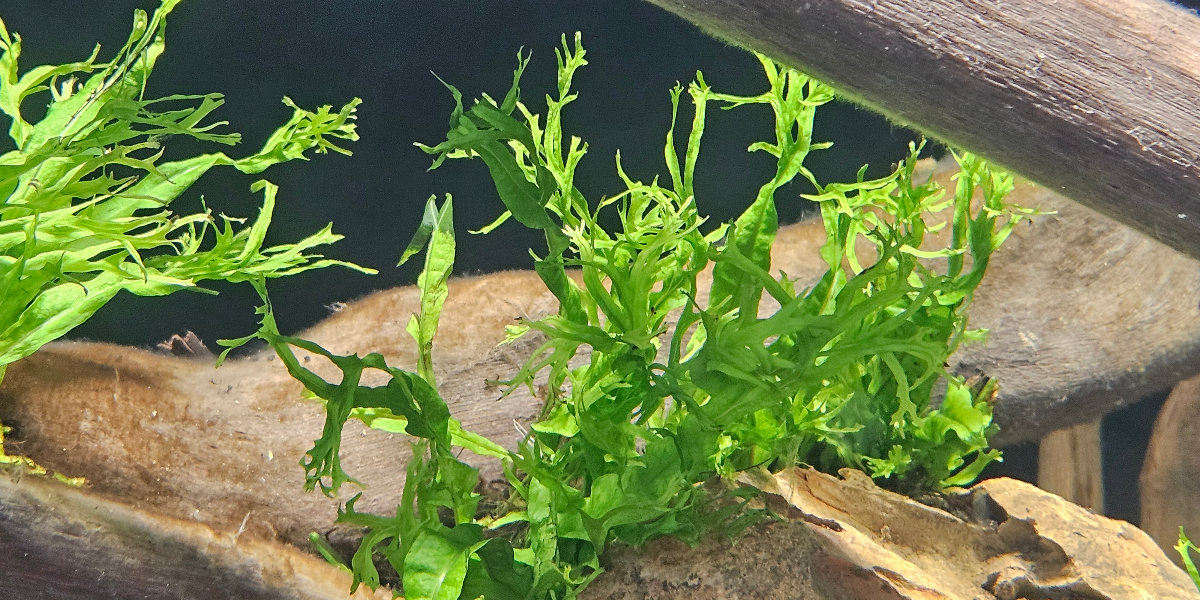
Microsorum pteropus
This fern from Southeast Asia is very popular due to its low-maintenance nature and ability to grow attached to roots or rocks. It forms elegant, airy clumps and serves as a living decorative element.
Hygrophila – various species of water warts
Fast-growing, deep-green plants that help maintain the biological balance in the aquarium. They are typical of tropical wetlands and rice paddies, and their leaves provide good hiding places for fish and fry.
Bucephalandra
Rare plants from tropical Borneo that grow attached to rocks in flowing waters. They are a decorative addition to any tank thanks to their compact growth and glossy, often purple-colored leaves.
Limnophila, Rotala, Pogostemon
Tropical aquatic plants that bring movement and color to the aquarium. Some species turn red under stronger lighting, while others form airy stems with delicate leaves—ideal for the background of the tank.
1. Fish lining up for dinner? Not quite.
Our fish don’t wait by the glass for feeding—they have automatic feeders that dispense food regularly several times a day. This brings feeding closer to the natural rhythm of fish in the wild and ensures they remain in optimal condition and grow healthily.
2. Sunrise and sunset underwater
The aquariums are equipped with special LED lighting that mimics the natural daily cycle—from morning dawn through midday light to evening twilight. This helps the fish maintain their biological rhythms and also contributes to better colors and natural behavior.
3. Why Doesn’t a Single Leaf Grow in Africa?
The aquarium representing Lake Malawi is full of cichlids but devoid of plants. This isn’t a mistake—it’s reality. These African fish come from a lake with a rocky bottom and very clear, hard water, where aquatic plants are practically nonexistent. The rocks serve as both shelter and territory for them, and that is exactly the kind of environment we create for them here.
4. Plants That Can Thrive Both Underwater and Above the Water’s Surface
Some aquarium plants have an incredible ability to adapt—they can grow both submerged underwater and in a terrestrial form. In nature, they are often found in seasonally flooded areas, where they must cope with both dry and rainy periods. Typical examples include Cryptocoryne and Hygrophila—when water levels are low, they change the shape and structure of their leaves and continue to grow on moist soil. These plants thus serve as a bridge between the aquatic and terrestrial worlds—and prove that nature’s adaptability knows no bounds.
5. Fish That Love to Be Stroked
You may be familiar with “pedicure fish”—Garra rufa, also known as “doctor fish.” We keep them here, too! They are known for gently nibbling away dead skin. Here, of course, they are kept in standard tanks without contact with visitors, but their unusual behavior is among the most fascinating things you can observe beneath the surface.