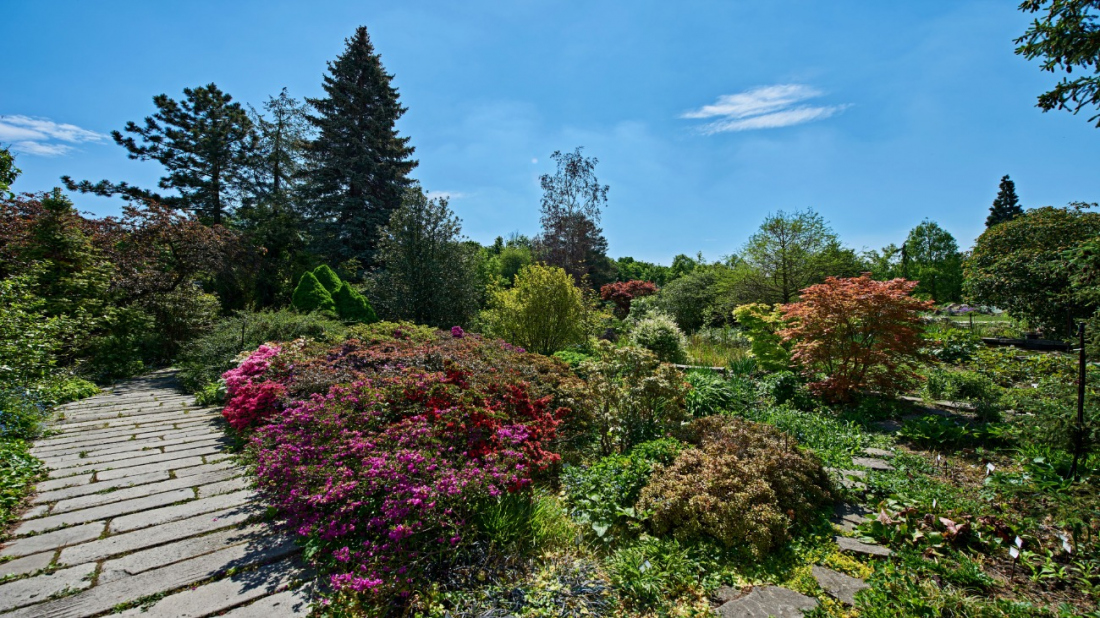
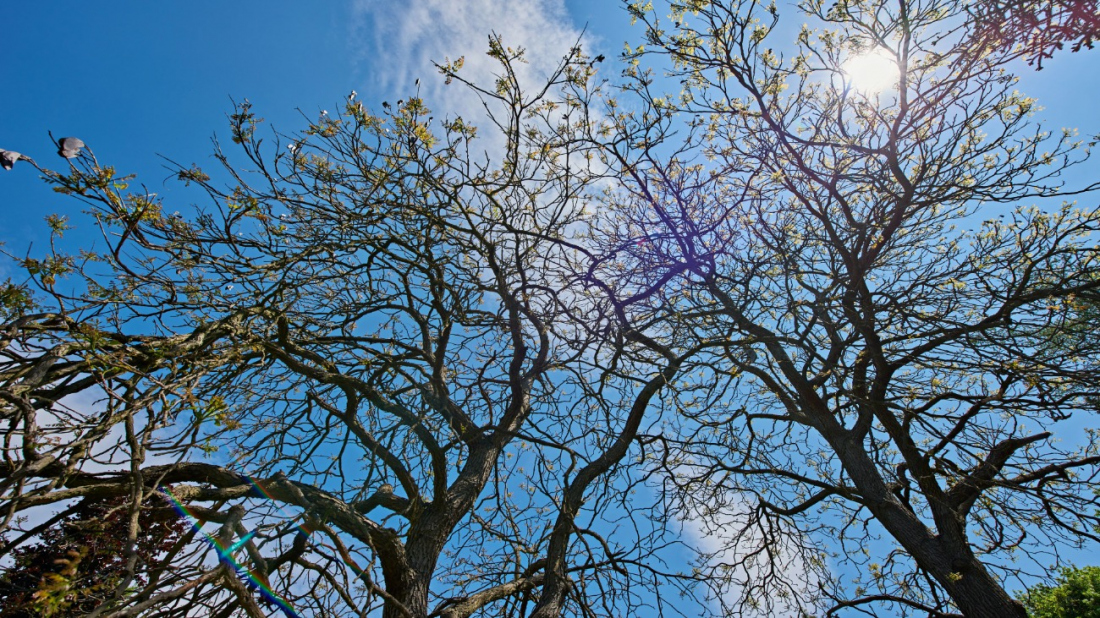
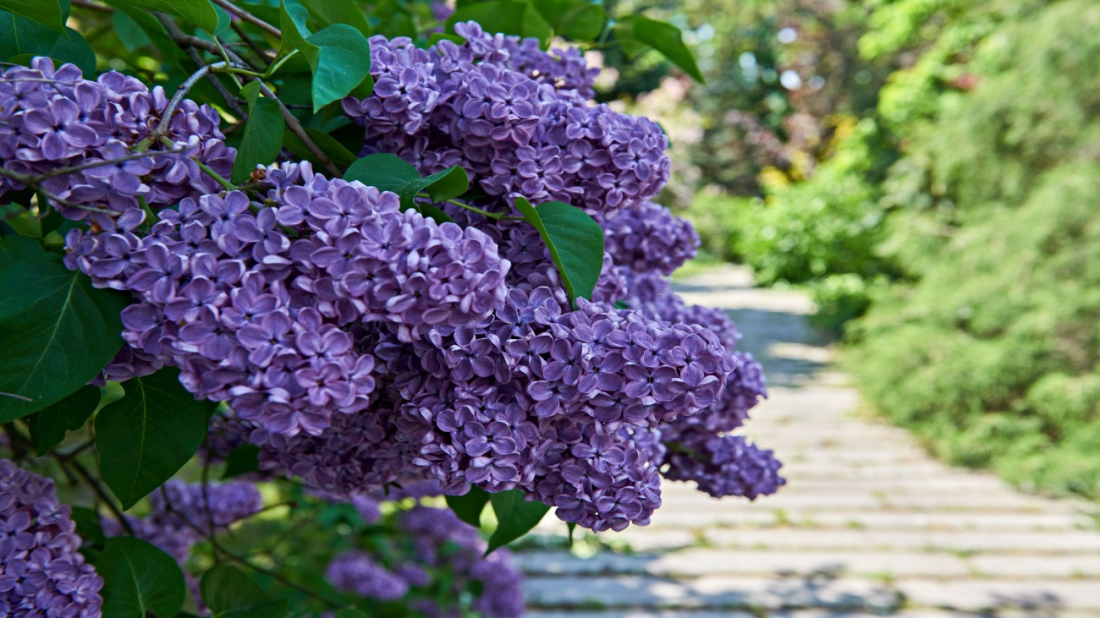
Spring is inextricably linked to the awakening of nature. The first fresh green leaves, budding flowers accompanied by buzzing bumblebees or bees, birds hopping along tree branches in search of the best materials for building their nests. All you have to do is stop and observe what’s happening around you.
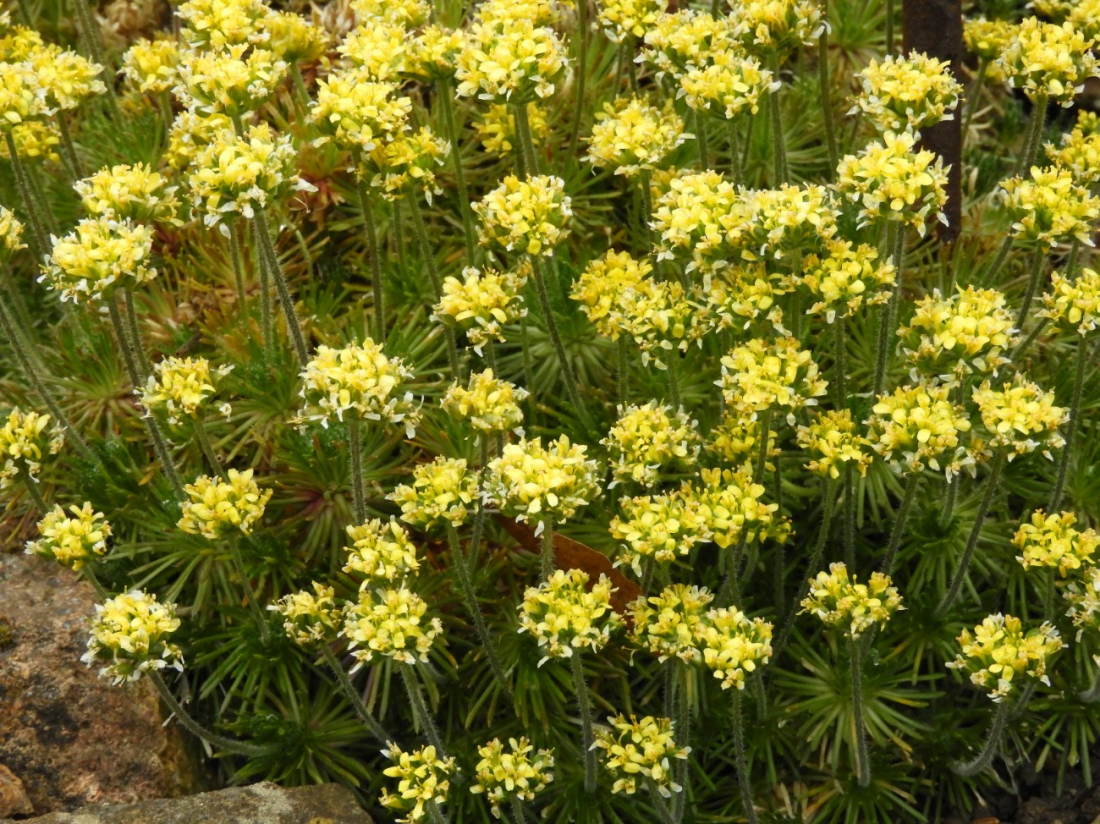
Not all spring days are sunny and warm. An unexpected snow shower or a drop in temperature can occur at any time during spring. However, some plants are adapted to low temperatures and adverse weather—such as mountain plants, or rock plants. These often form continuous cushions that retain heat much better, and their sensitive parts are better protected from frost. Or think of the fuzzy pasque flowers! The covering of hairs (technically trichomes) serves to protect the plant from adverse weather. A wide variety of adaptations can be found throughout the botanical garden and in many plants.
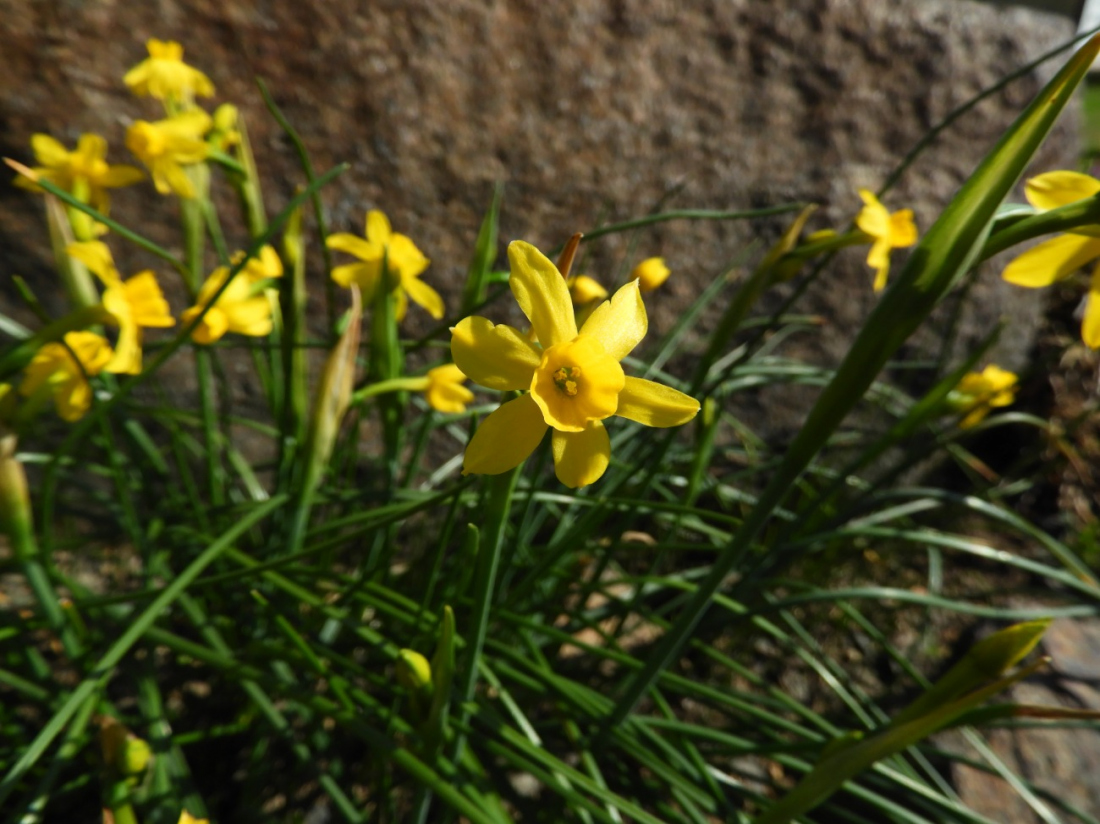
Spring is synonymous with bulbs and other tuberous plants. It begins with snowdrops, snowflakes, and hellebores, and continues with crocuses, irises, hyacinths, daffodils, and tulips, which gradually begin to bloom and adorn our botanical garden.
When Carol Clusius, the curator of the botanical garden in Leiden, brought several tulip bulbs to the Netherlands, he could not have imagined the interest their cultivation would generate. In the botanical garden, you can view over a hundred different cultivars, and you can find more detailed information on the dedicated page.
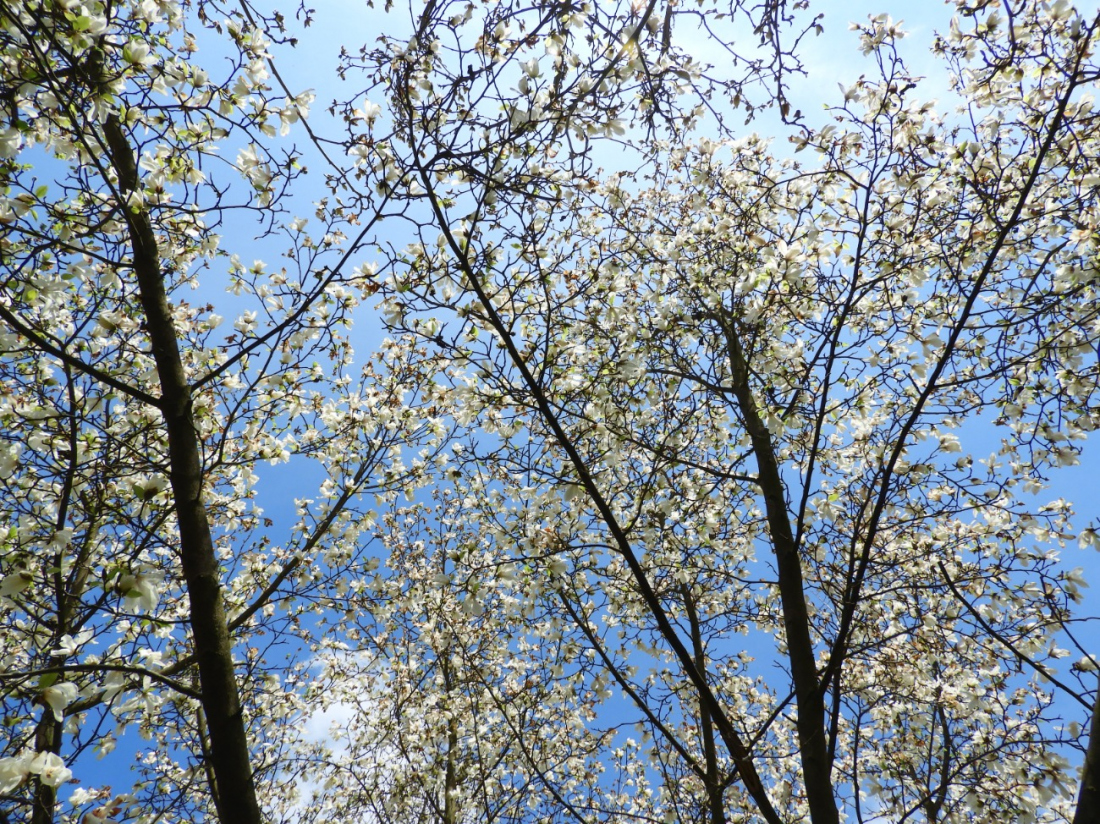
It’s not just bulbs that take center stage in the spring; other plants do as well. In wooded areas, primroses and hellebores bloom, taking advantage of the fact that the trees haven’t yet grown leaves, allowing light—on which these plants depend for survival—to penetrate the herbaceous layer. Magnolias are a major attraction; in the spring months, they are covered in white flowers—it almost looks as if it has snowed.
Come celebrate Earth Day at the botanical garden! It all began on April 22, 1970, in the United States, where some 20 million people gathered to demonstrate for a healthier environment. It has been celebrated here since 1990 and allows everyone to contribute to caring for the environment. In the outdoor exhibition, anemones, primroses, and magnolias are in bloom.
May is the month of love, and a kiss under a blossoming tree is a must. People often mention cherry trees, but any other tree from the rose family will certainly do the trick. Here, you can enjoy an ancient, gnarled apple tree, whose white blossoms illuminate the entire section dedicated to East Asian plants. When you arrive at the botanical garden, ask at the ticket office. They will surely be happy to point you in the right direction.
During the spring months, three interesting vines in the tropical greenhouse may catch your eye. The emerald vine, Strongylodon macrobotrys, is native to the Philippine islands of Luzon, Mindoro, and Catanduanes. There are likely more specimens in botanical gardens than in the wild, where this species is threatened by rainforest deforestation. There are 14 species in the entire genus, most of which do not have flowers with such interesting colors.
As you walk through the tropical greenhouse, you may spot fallen flowers and seeds on the ground, surrounded by a persistent calyx, which descend like parachutes from above. To spot the plant from which these “parachutists” descend, you must look up and search. These flowers belong to a plant called Petrea volubilis. They also contain nectar that attracts butterflies as pollinators. It originates from the tropical regions of the Americas, but is cultivated as an ornamental vine in tropical and subtropical regions around the world.
A beautiful demonstration of how plants adapt to their pollinators. This can be observed precisely in a third vine native to southern India. It is called Thunbergia mysorensis, and its flowers produce a large amount of nectar. Together with their red-and-yellow color, they attract stridimylids. The stamens and stigma are positioned so that the pollen load is transferred to the pollinator’s head, which then carries this precious material to the next flower. Isn’t nature brilliant?
May 18 is a day dedicated to letting ourselves be captivated by the plant world. The goal of this initiative is to inspire as many people as possible around the world in the fields of botany, horticulture, agriculture, and forestry. All plants are fascinating. From small seeds planted in the ground, so much can grow—from tiny herbs to towering trees, from plants that enchant us to those that feed us. Thanks to plants, we can breathe. Without them, there would be no humans on Earth, nor any other animals. This day is an opportunity for people to learn more about plants, their properties, and to appreciate their importance to our world. Fascinating peonies are in bloom right now.
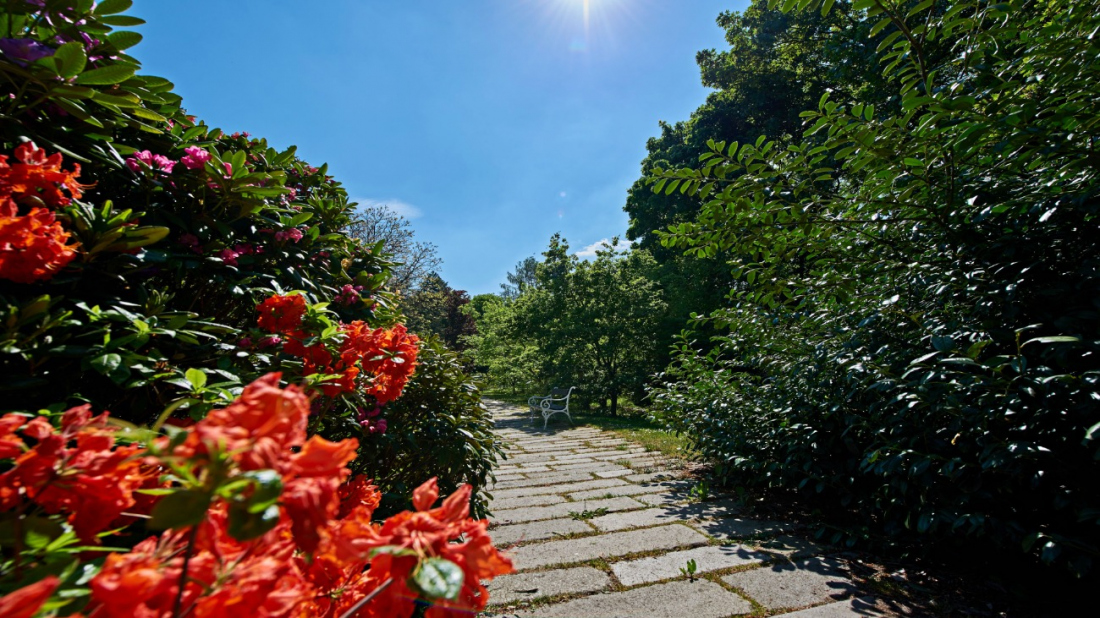
Bring your favorite book (perhaps about plants or journeys around the world) and head to the botanical garden on a sunny day. Sit on a bench, relax, and enjoy the beautiful day.