| Length | Width | Height | Area | Number of cultivated taxa | Daytime temperature | Nighttime temperature | Humidity | Number of gardeners |
|---|---|---|---|---|---|---|---|---|
| 30 m | 18 m | 6,5–7,4 m | 540 m2 | 382 | 20–27 °C | 17–20 °C | 40-60% | 2 |
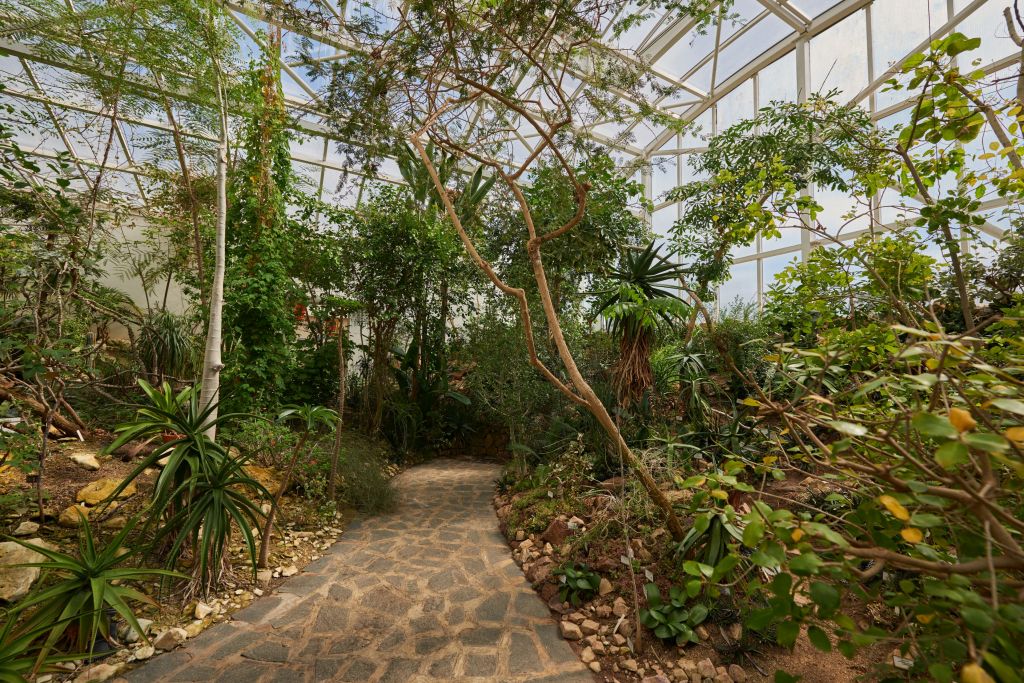
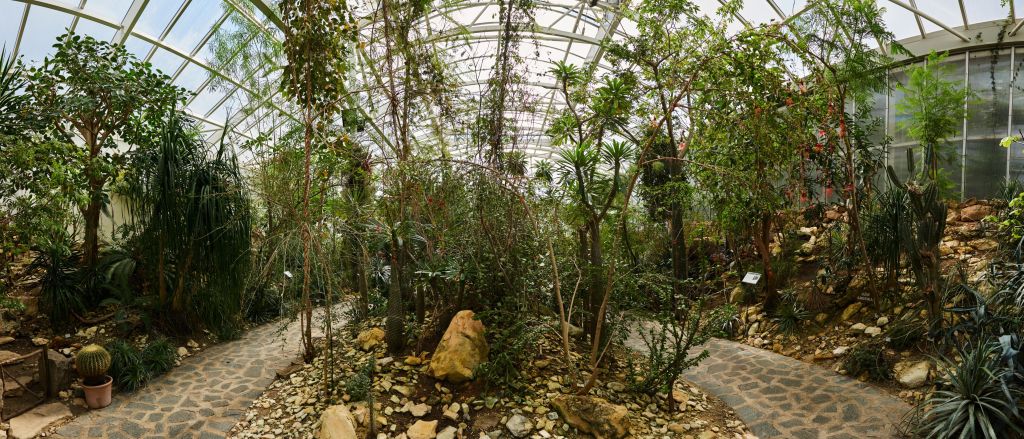
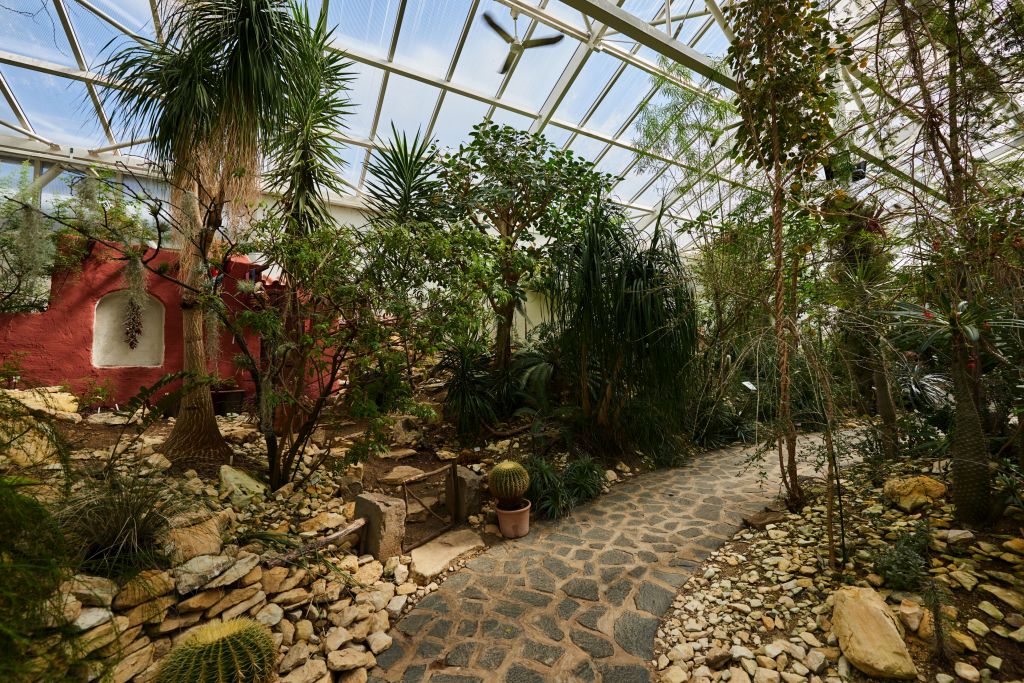
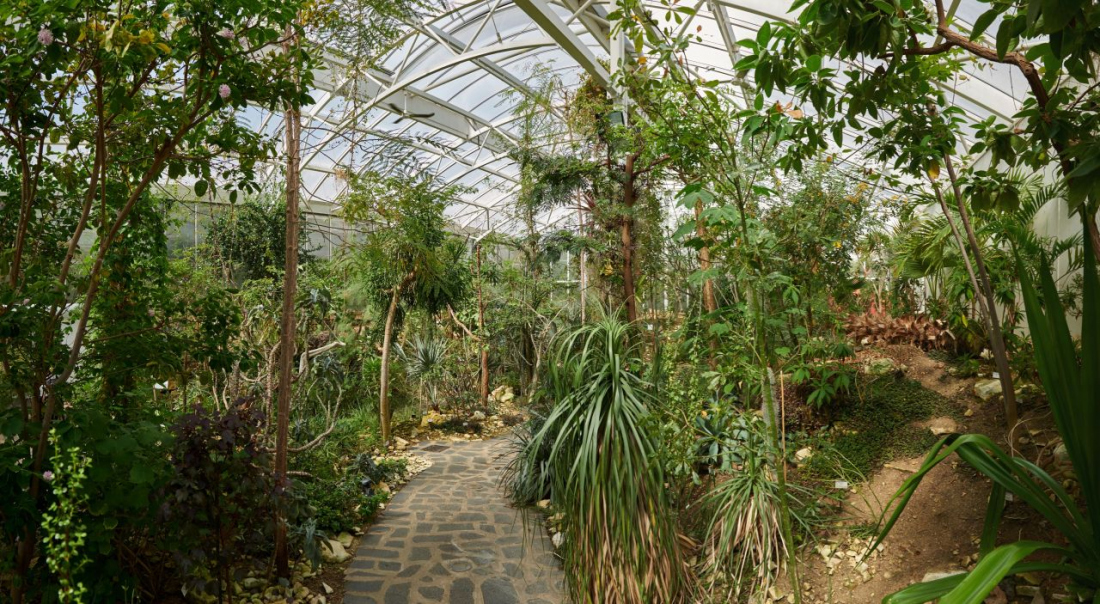
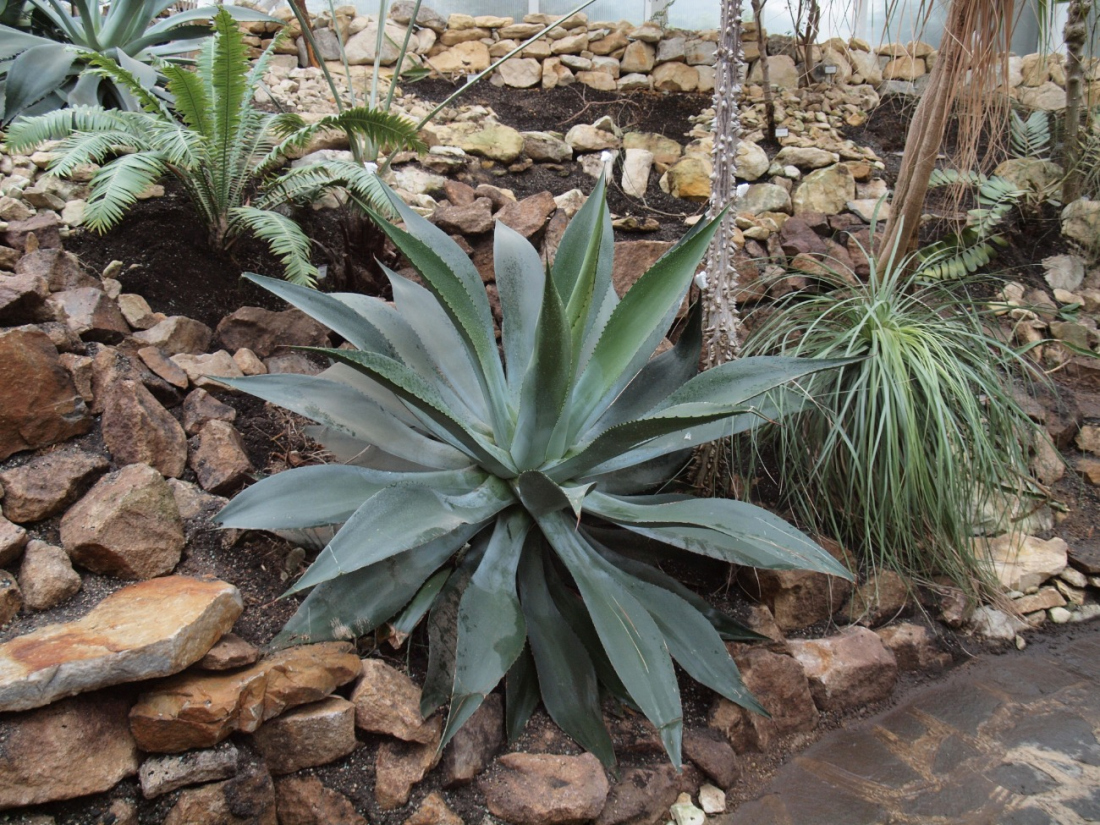
The first greenhouse visitors will see during the tour is the xeric greenhouse. The word "xeric" comes from Greek and means "dry." This greenhouse features plants native to regions subject to prolonged drought, whether deserts, semi-deserts, savannas, or tropical deciduous and semi-deciduous forests. If we were to call this greenhouse a succulent greenhouse, we would be being inaccurate, because in addition to succulents, this greenhouse also displays trees, shrubs, herbs, and bulbs, which are not necessarily succulents.
A few figures: 382 taxa, 364 species, 43% of which are listed on the Red List of Threatened Species.
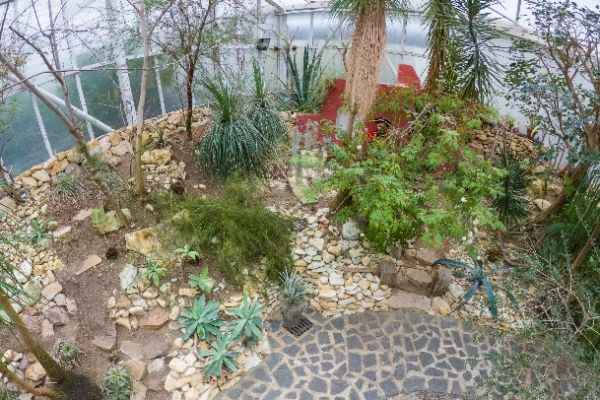
As you enter the xeric greenhouse, you’ll find an exhibit on your right dedicated to the flora of Central America, particularly Mexico and Guatemala. The exhibit is enlivened by a small house in the Pueblo style, where its owner, Gómez, is relaxing on a bench while listening to Mexican music.
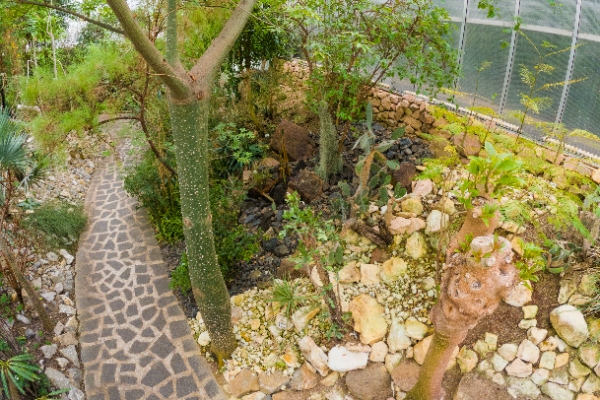
This small exhibit showcases the periodically arid regions of South America, particularly northern Argentina, Uruguay, Paraguay, and Brazil.
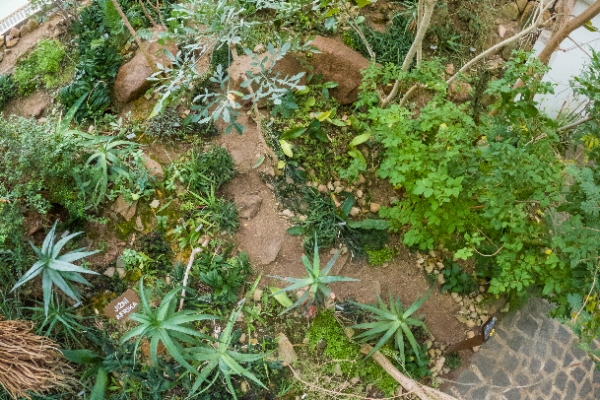
The western region of Southern Africa encompasses the provinces of South Africa and Namibia, including the Namib Desert. In the northern tip of South Africa (in the provinces of Namaqualand and Richtersveld) and in southern Namibia, we find the distinctive vegetation of the so-called succulent Karoo. This region is characterized by nutrient-poor soils, which are predominantly sandy to stony. It experiences a long summer drought. If we go even further north, we find the Namib Desert. It benefits from its location directly along the cool sea coast, which is moistened by a regular supply of fog.
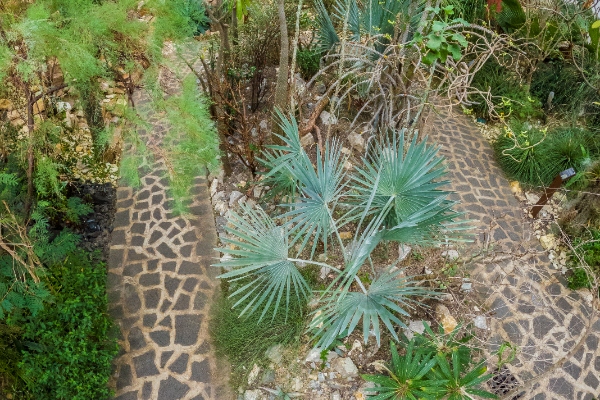
An area with a distinctly arid climate stretches along the southern and southwestern coasts of Madagascar. Of Madagascar’s rich flora, 80 to 90% of the plants are endemic (i.e., they grow nowhere else in the world). Endemism is caused by the island’s isolation from the mainland (separation from the Indian subcontinent 88 million years ago) and the subsequent independent evolution of its biota (i.e., plants and animals). Unfortunately, human settlement has had and continues to have a major impact on the local flora, negatively affecting the vegetation through slash-and-burn practices, agriculture, and the production of charcoal from endemic plants.
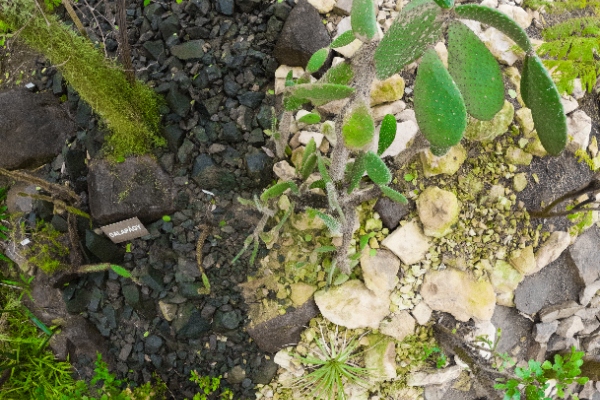
The Galápagos archipelago lies 1,000 km off the coast of South America and comprises approximately 45 islands and islets. The local flora and fauna are exceptionally interesting and have received due attention since the time of Charles Darwin (1809–1882). Moisture arrives here mainly in the form of fog, and rain falls primarily in the higher elevations of the islands. In the flat landscape between lava flows, where drought prevails, trees, shrubs, and cacti alternate (for example, there are 6 endemic subspecies of prickly pear cacti here).
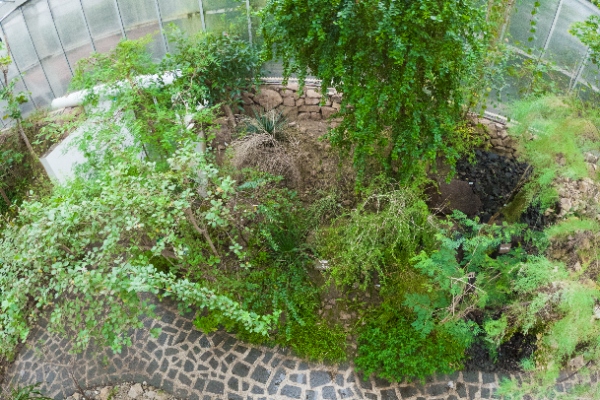
The Socotra Archipelago lies in the Arabian Sea between Yemen and Somalia. The climate here is influenced by monsoon currents, with summer monsoons bringing very strong, dry, and warm winds from Africa. During this time, rainfall is scarce and the landscape dries out. Winter monsoons bring only sporadic rainfall. The island’s isolation from the mainland has led to the independent evolution of its biota, resulting in the development of up to 30% endemic species. The composition of the plant community is influenced by human activity, particularly goat grazing. As a result, the entire island is grazed bare, with the exception of succulent and poisonous plants, which goats do not eat.
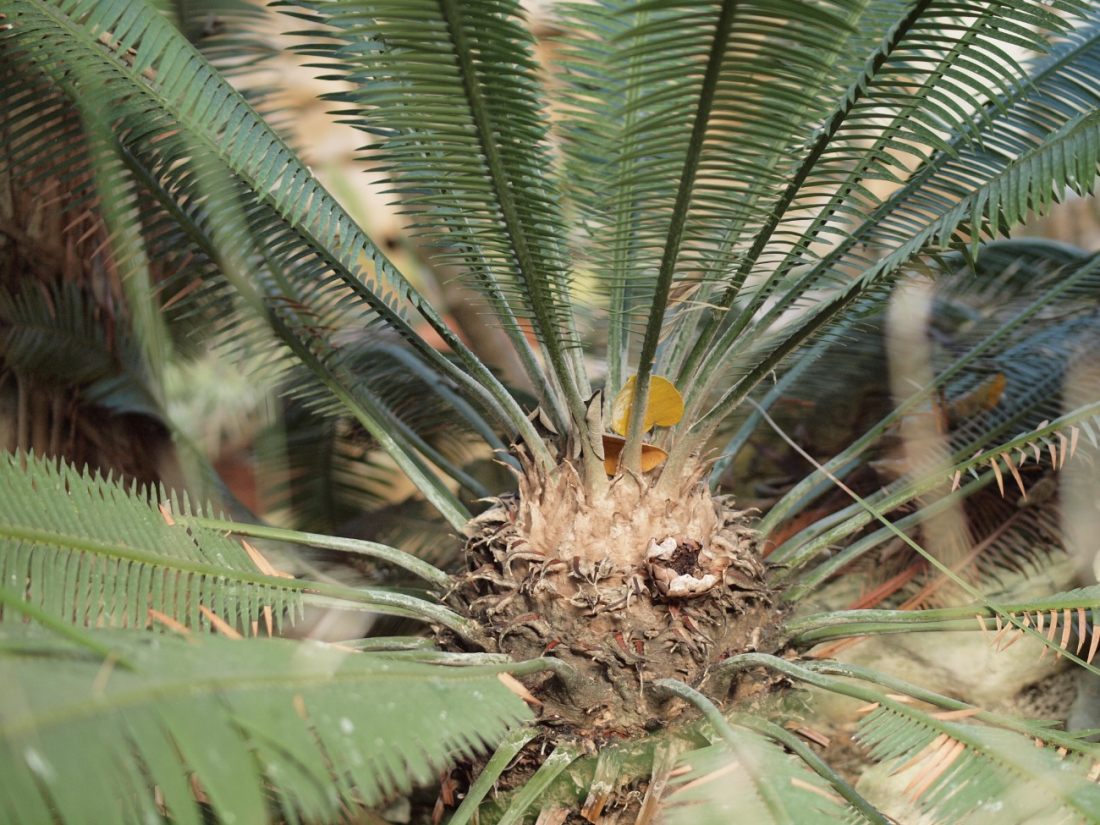
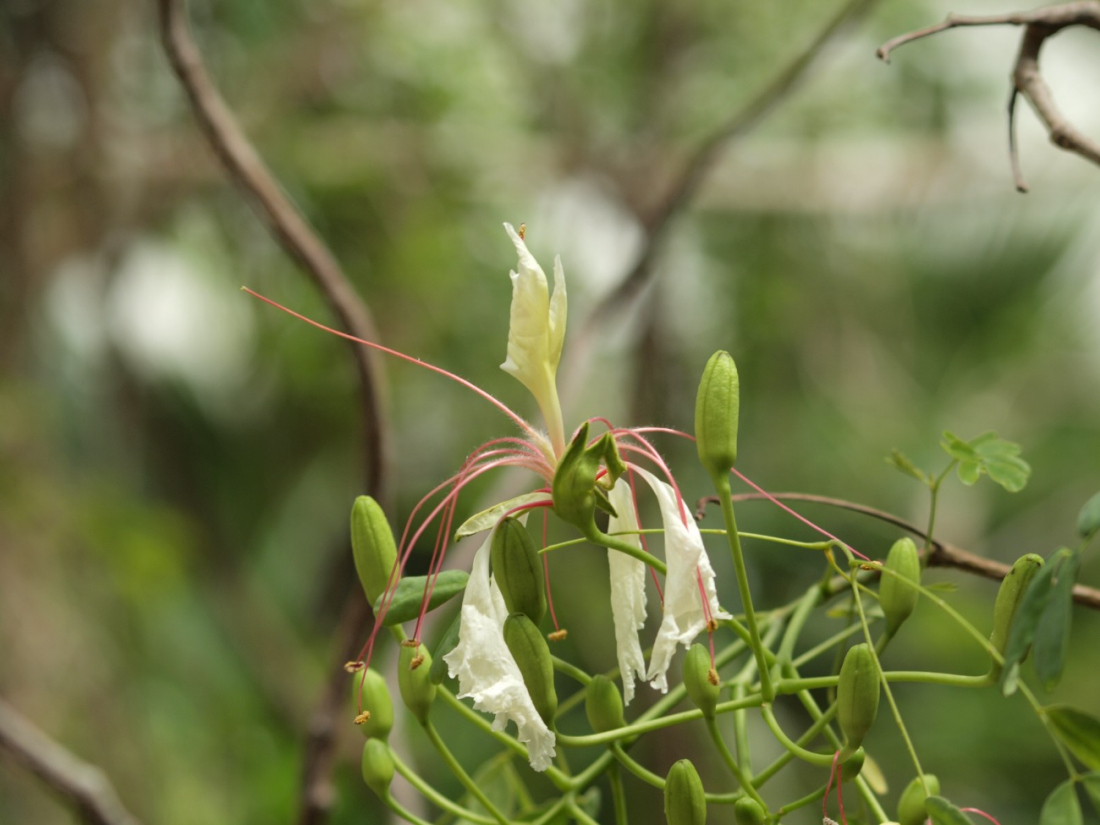
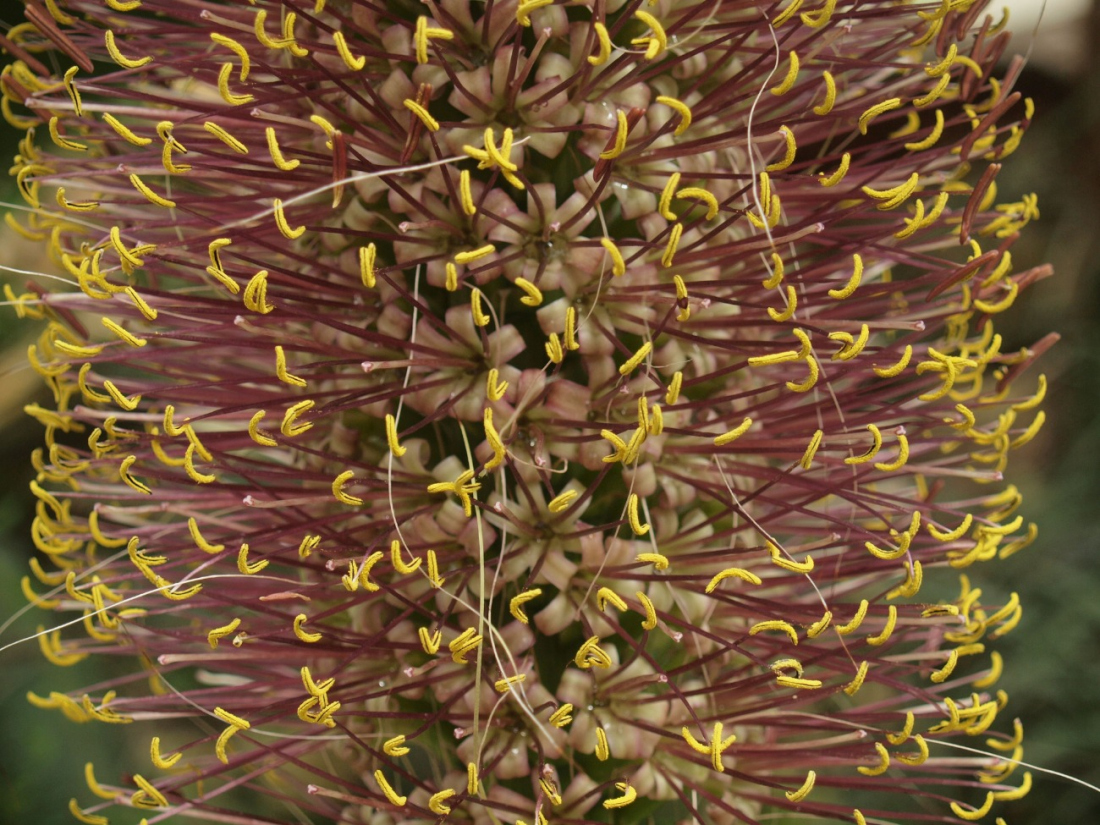
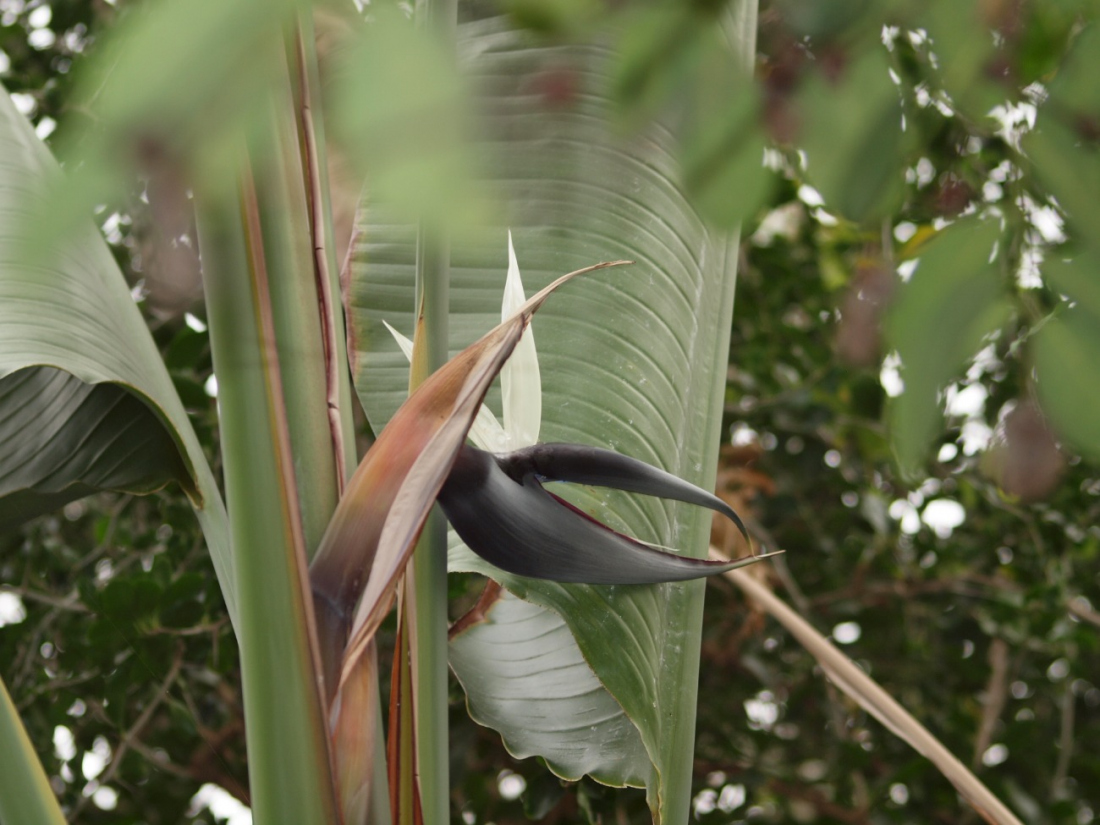
And who are the biggest "stars" of the Xeric greenhouse? Here’s a random selection from the 382 taxa we grow.
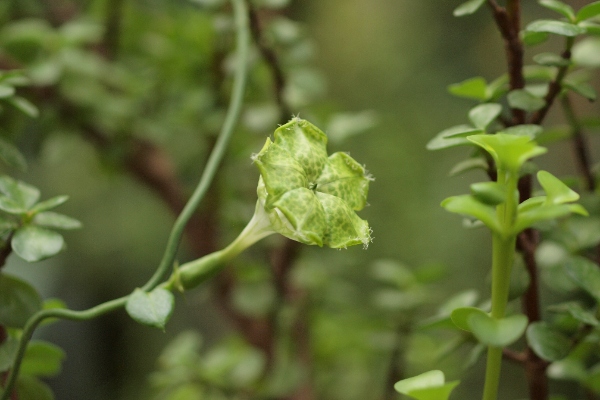
A climbing succulent native to shrubby areas and forest edges in southeastern South Africa—Sanderson’s candlestick (Ceropegia sandersonii). In English, it is called the “umbrella plant” or “parachute plant”—due to the fusion of the corolla lobes, which form a “roof” or “umbrella.” It is pollinated by various flies that descend into the corolla tube. Inside are small hairs that prevent the insects from escaping. Once the pollen grains are released and cover the pollinator’s hairy body, the hairs inside wilt, allowing the trapped insect to escape.
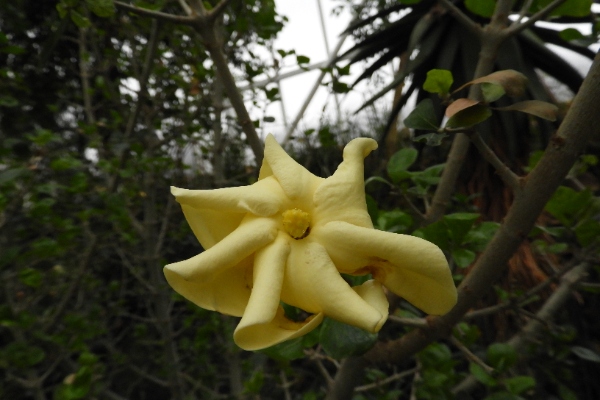
After the fragrant flowers have bloomed, fruits develop that are a sought-after delicacy for monkeys, elephants, and antelopes. This tree must be protected—it possesses magical powers, warding off evil spirits and lightning. And we can confirm that it really works!
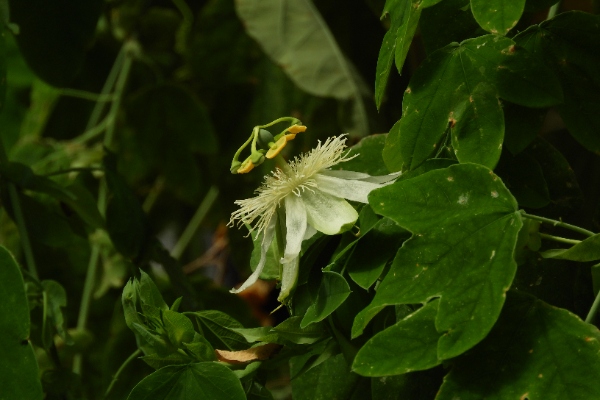
Don’t miss the flowering and fruiting Madagascar passionflower, Passiflora calcarata, in the Xeric Greenhouse. The Czech name “mučenka” is derived from the Latin passio = suffering and flos = flower. Parts of its flower resemble people (ten petals = ten apostles) or objects associated with the crucifixion of Jesus (three styles like nails and anthers like hammers).
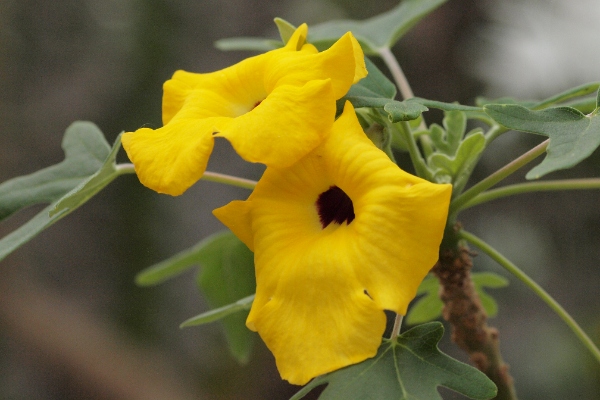
An endemic species of Madagascar found only in the southern part of the island, in the province of Toliara. This shrub or small tree can grow up to eight meters tall. The genus Uncarina comprises 14 species, all of which are found exclusively in Madagascar.
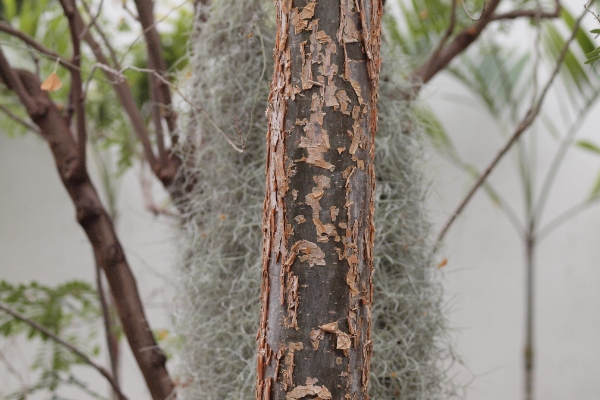
Want to see the “naked Indian”? We have one in our greenhouse! In Central America, there’s a tree—the balsam fir (Bursera simaruba)—that’s nicknamed “indio desnudo” (“naked Indian”). Why? Because of its flaking bark, which ranges in color from brown to copper. The entire plant is so incredibly photogenic that it’s worth coming to see it.
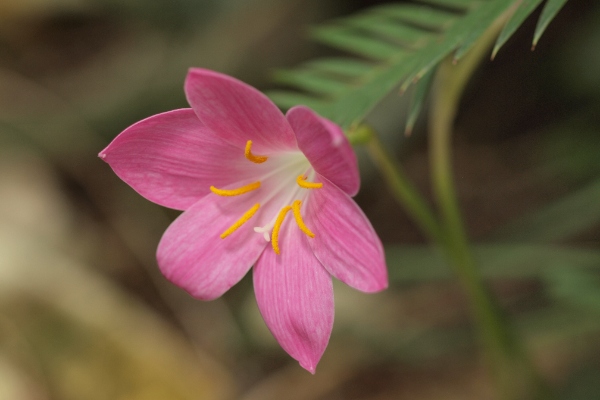
In English, it is nicknamed the "rain lily"—because its flowers appear after heavy rains. Its Latin name is Zephyranthes minuta, and it is native to southern Mexico and Central America. It is characterized by beautiful pink flowers with white centers, six stamens, and a white pistil.
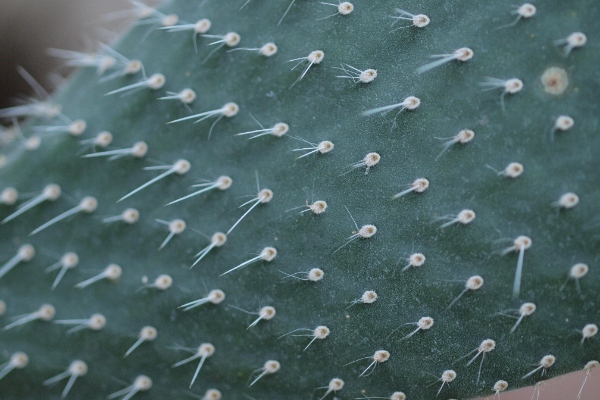
Did you know that there are six endemic species of prickly pear and fourteen distinct varieties in the Galápagos? They are found mainly in dry areas near the coast. The largest prickly pear can be found on Santa Cruz (it measures about 12 meters). Darwin’s finches, as they are known, feed on their flowers, fruit, and seeds, thereby ensuring their dispersal.
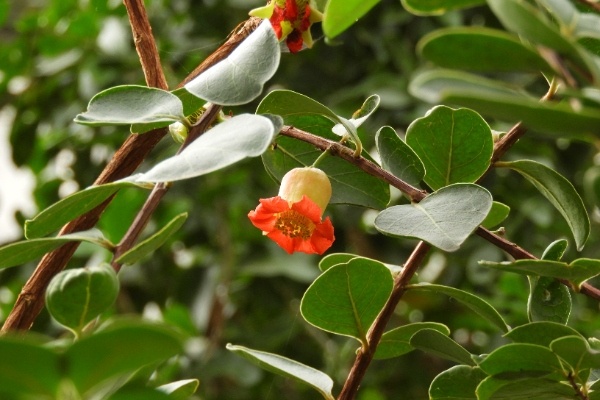
You are surely familiar with the pomegranate tree, or pomegranate. This is its only wild relative, which grows on the unique island of Socotra. However, the fruit of this relative is not very good. The skin is very sour, the seeds are bitter, and they can even cause blisters on the tongue. It blooms regularly in a greenhouse, but does not bear fruit.